
September 11, 2026
How Would It Be Seen?
Christie’s Endometriosis Story
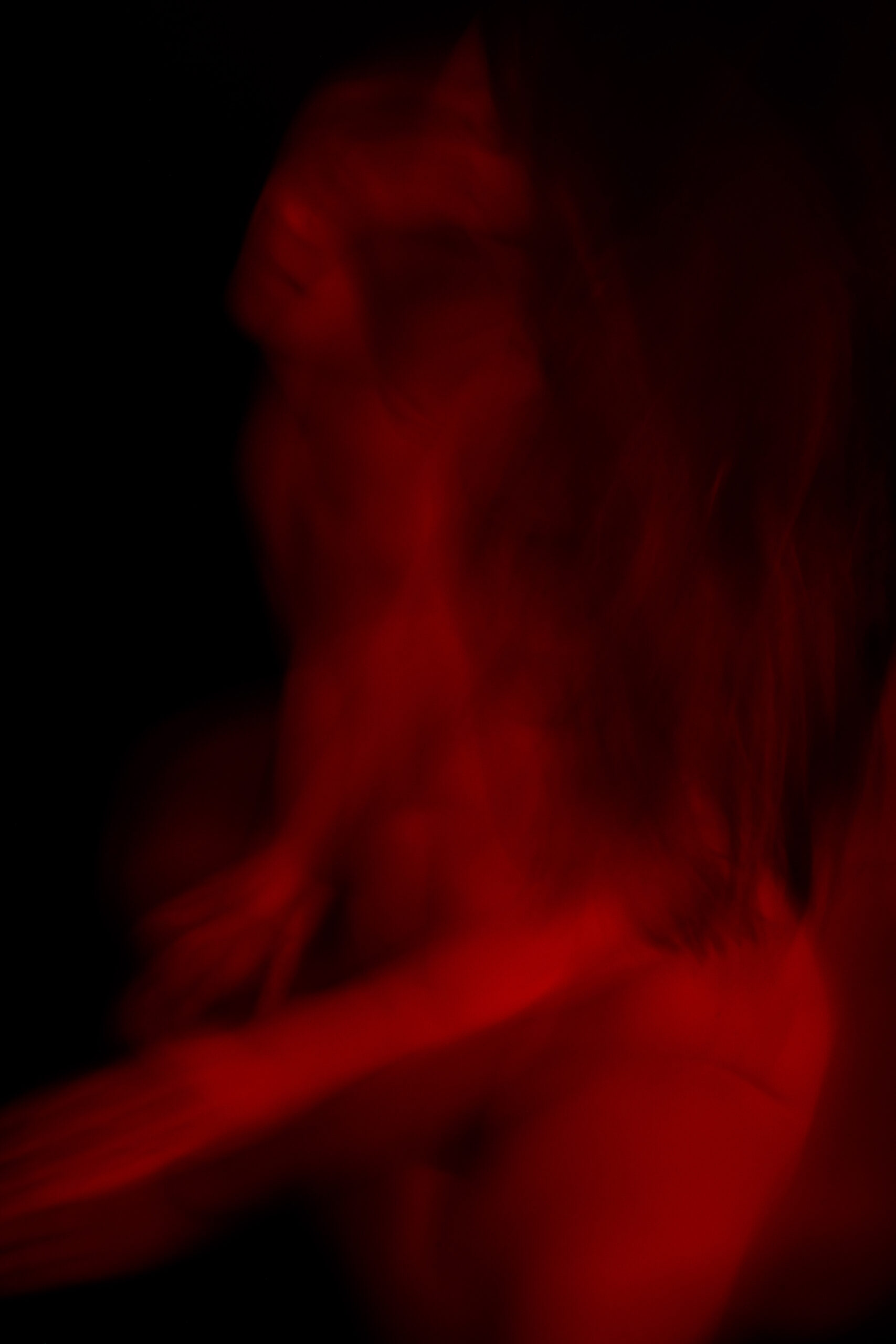
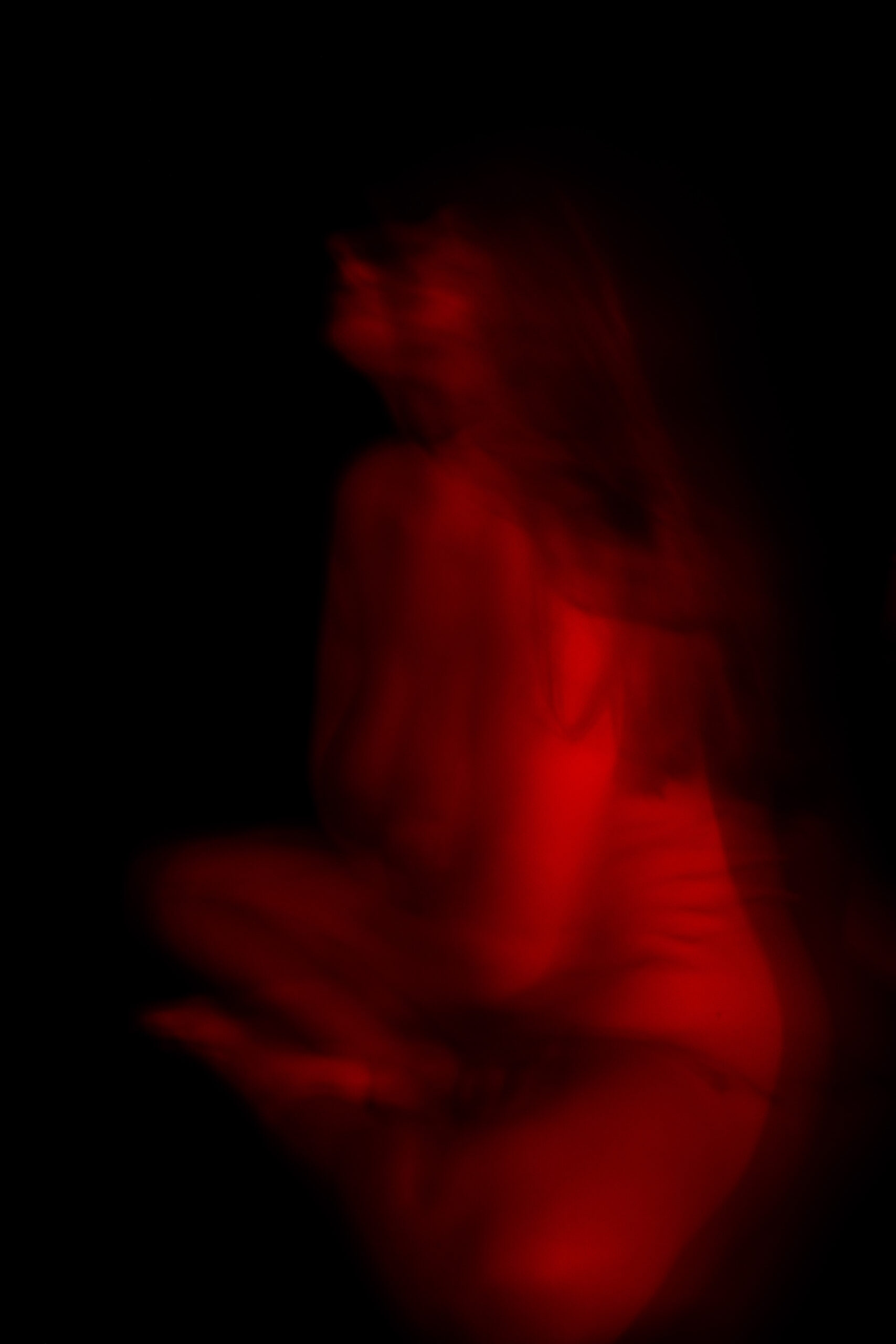
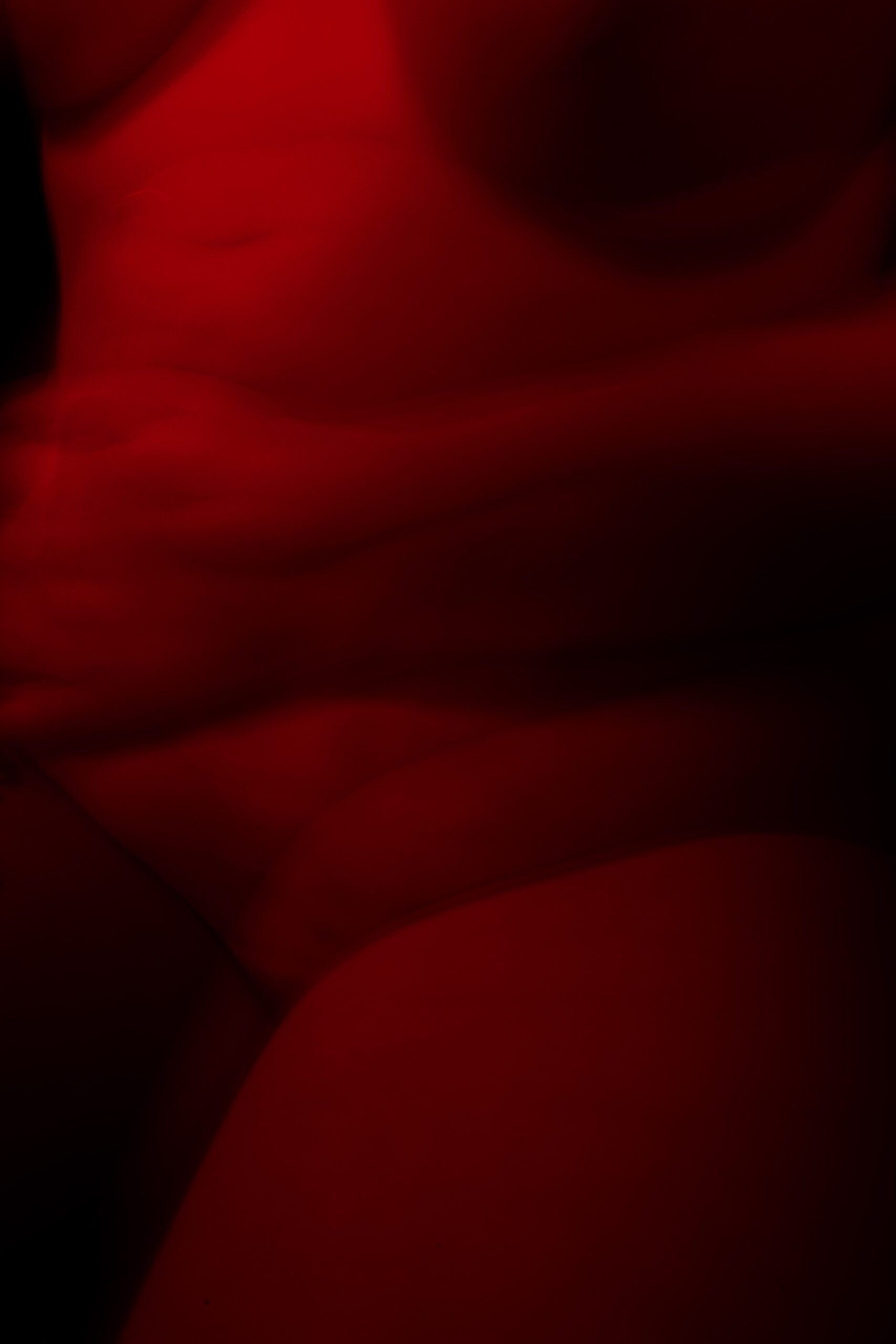
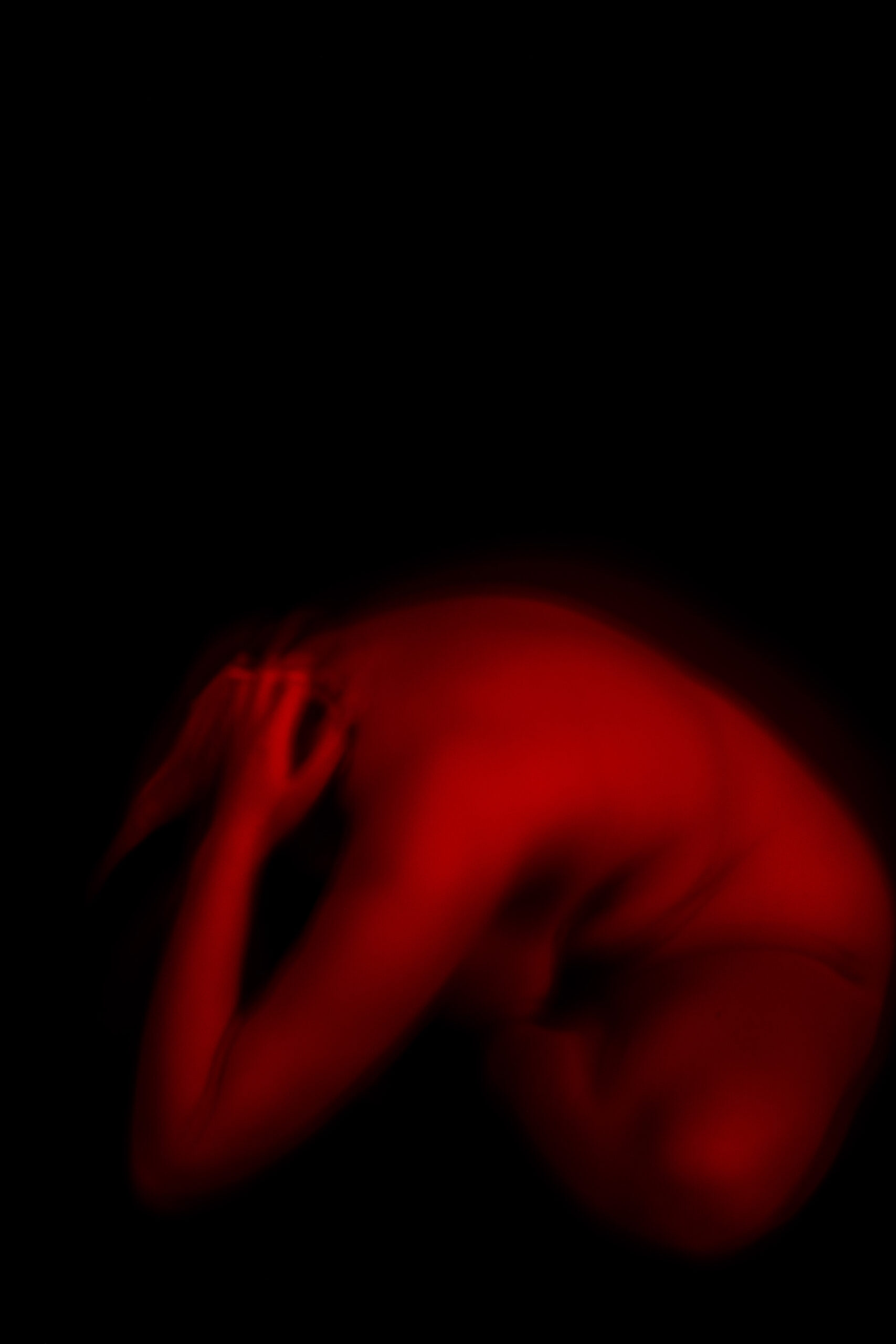
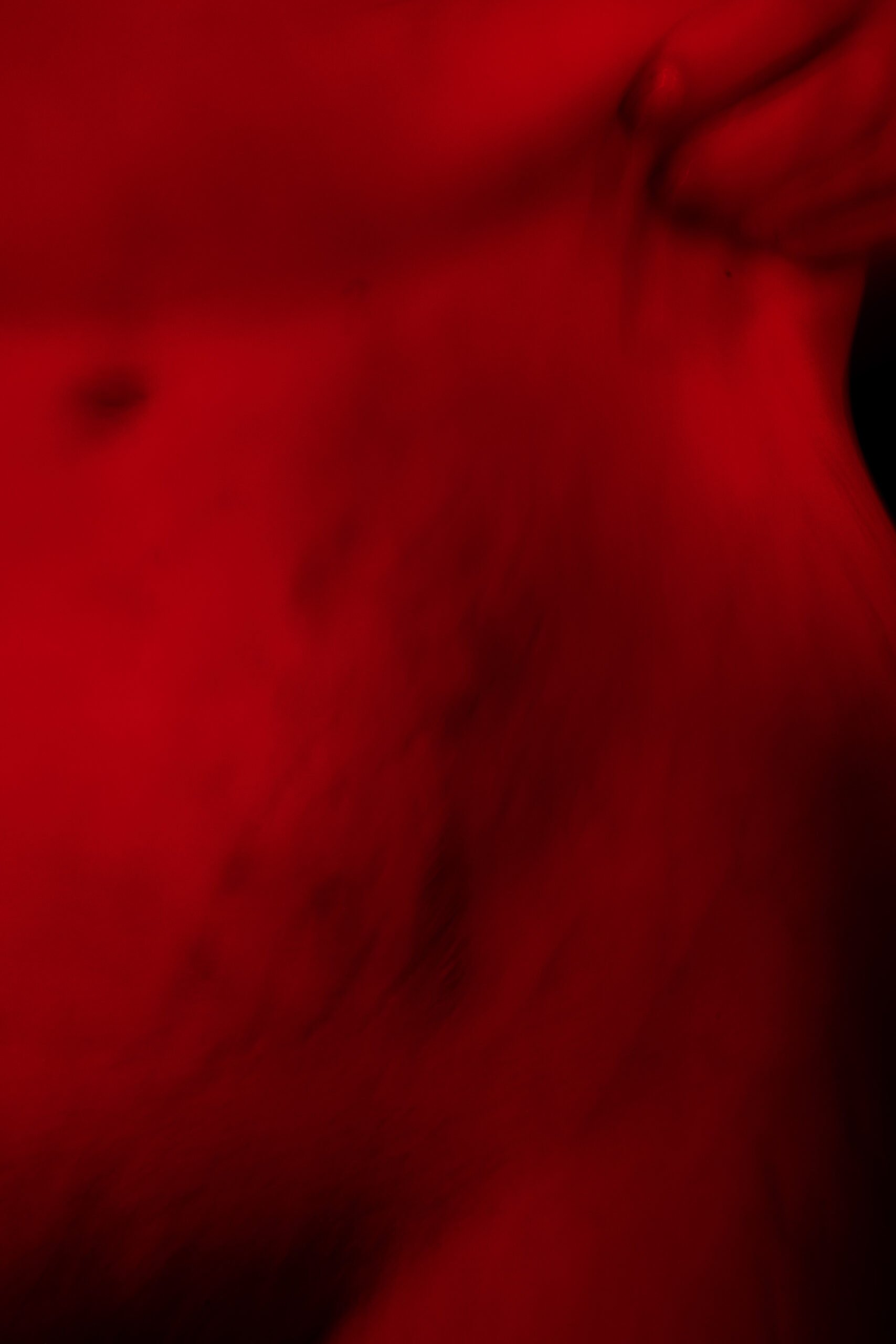
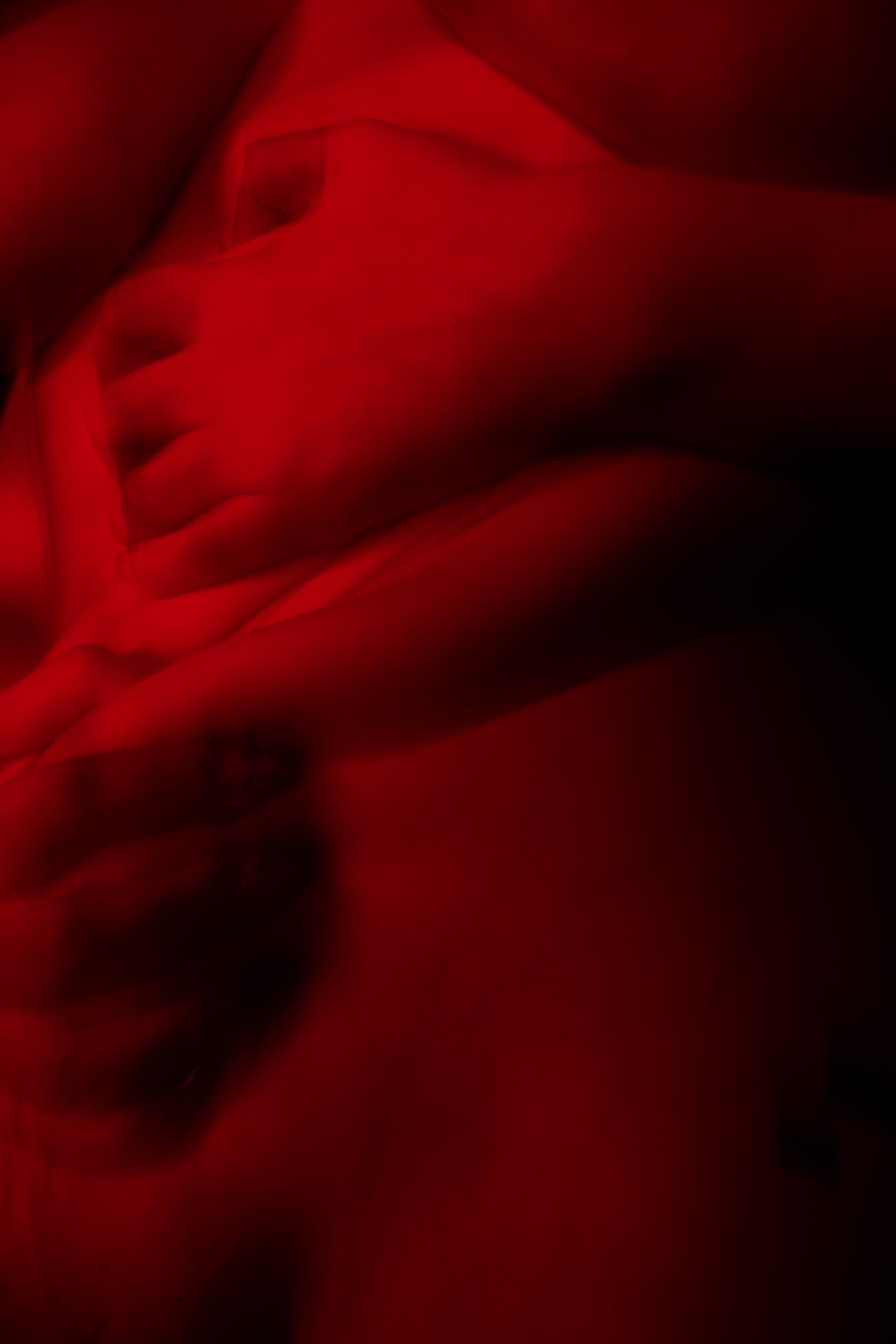
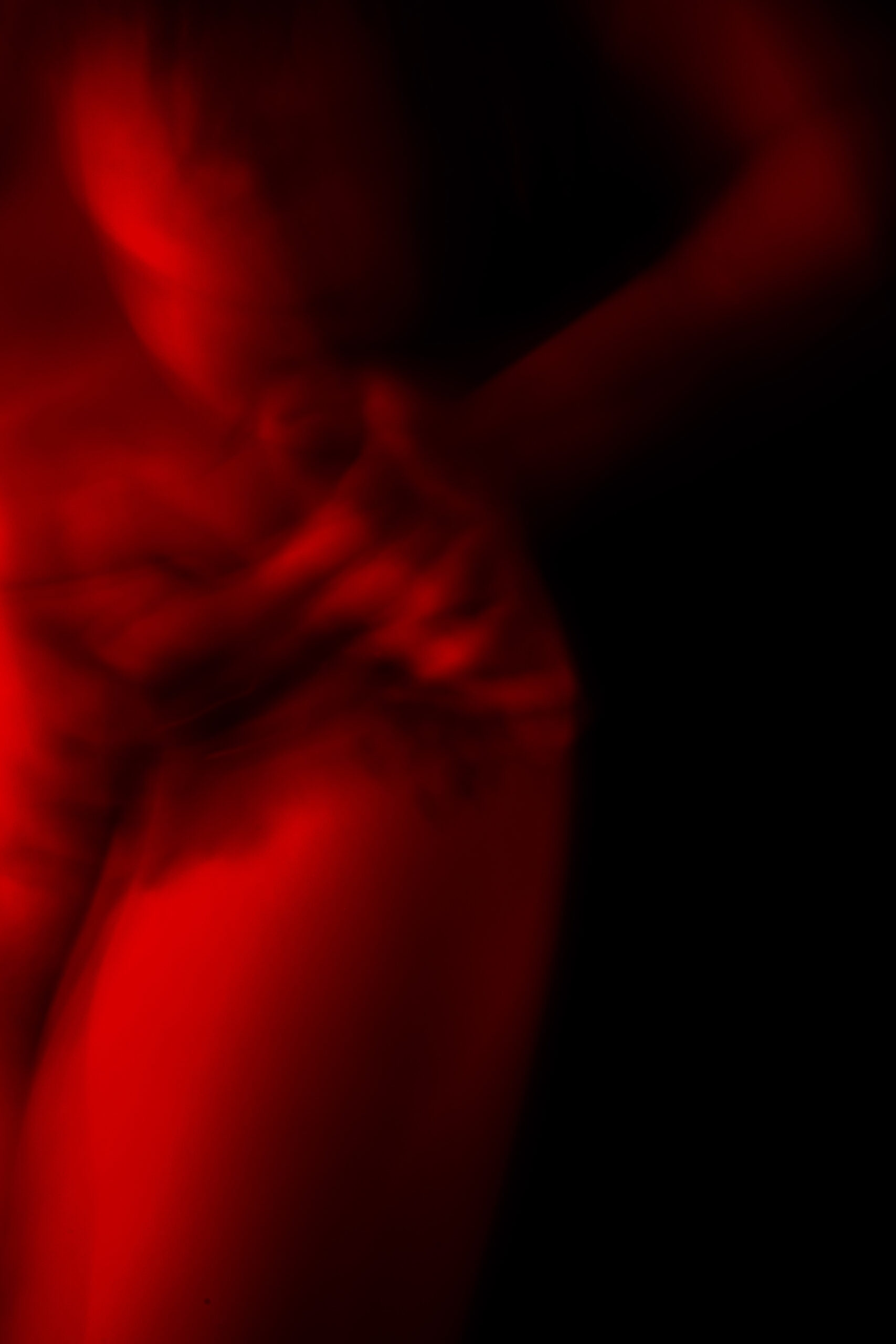
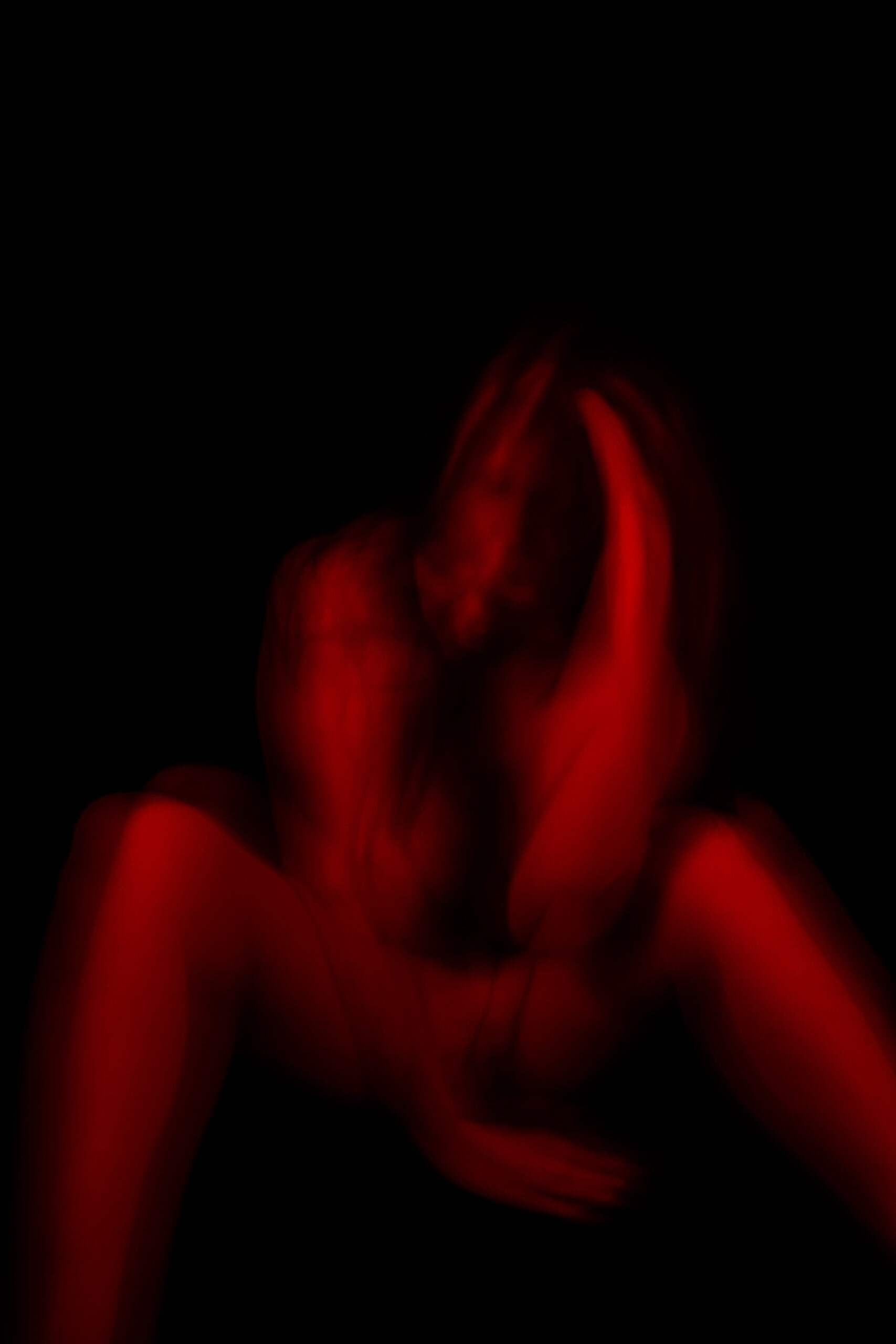
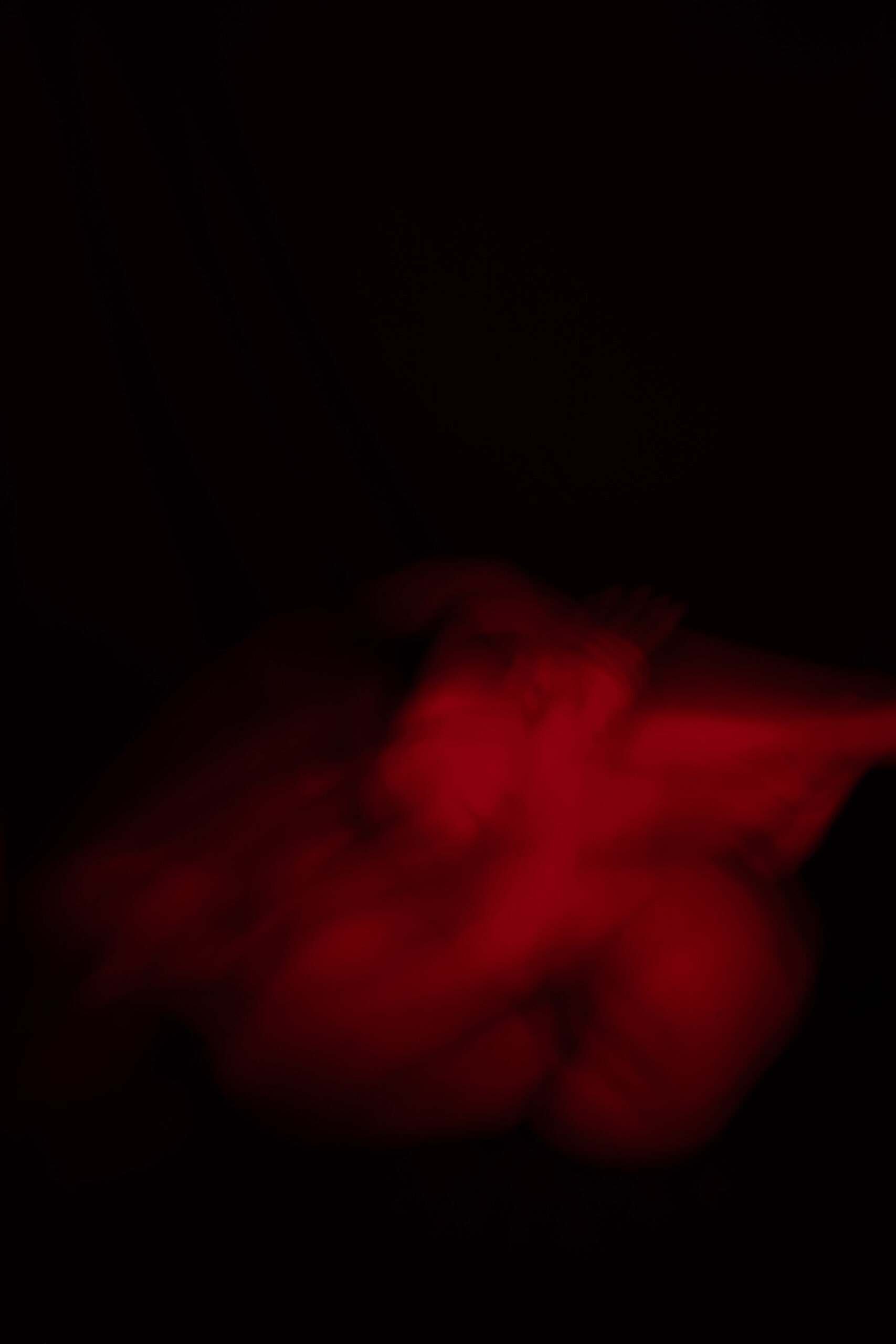
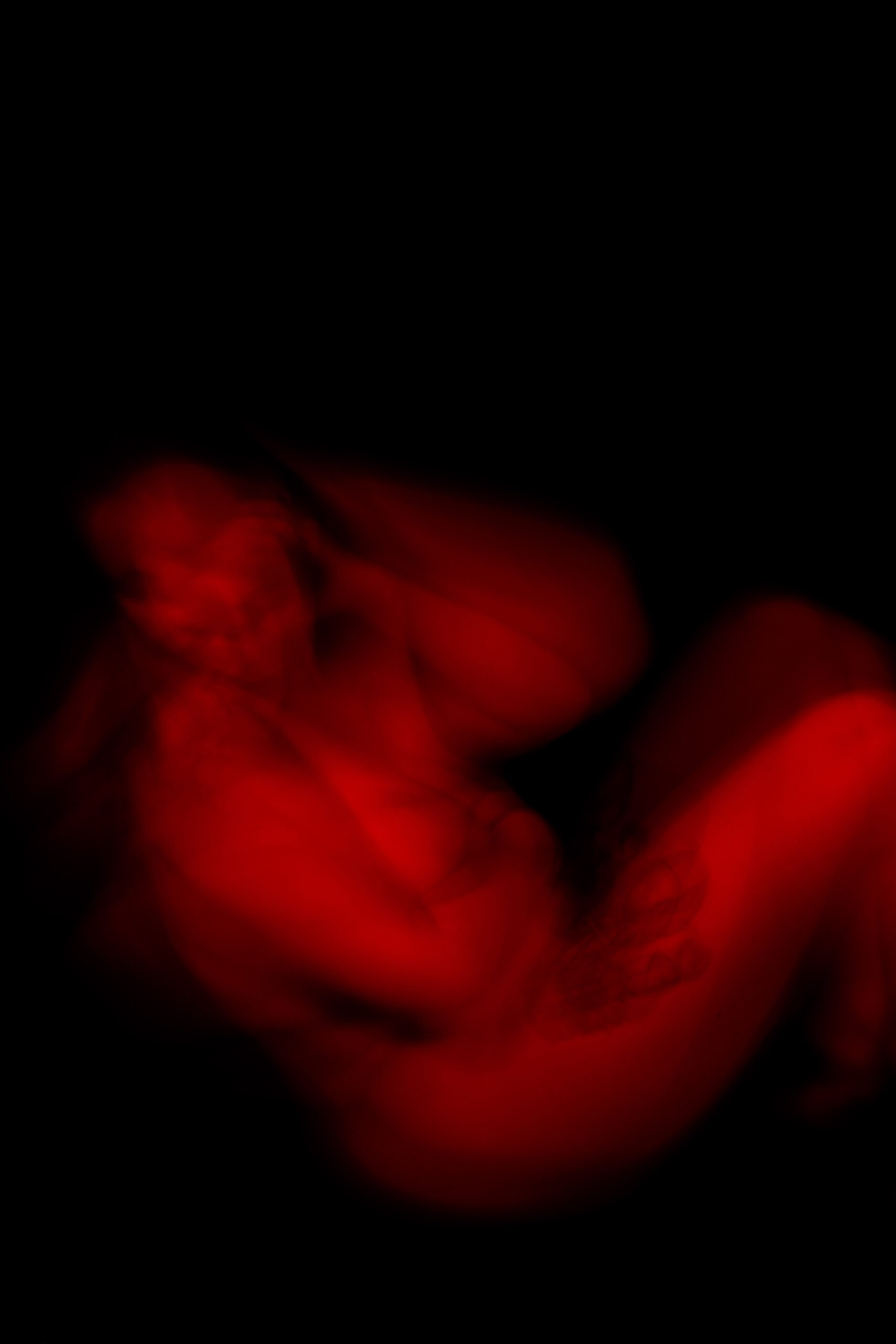
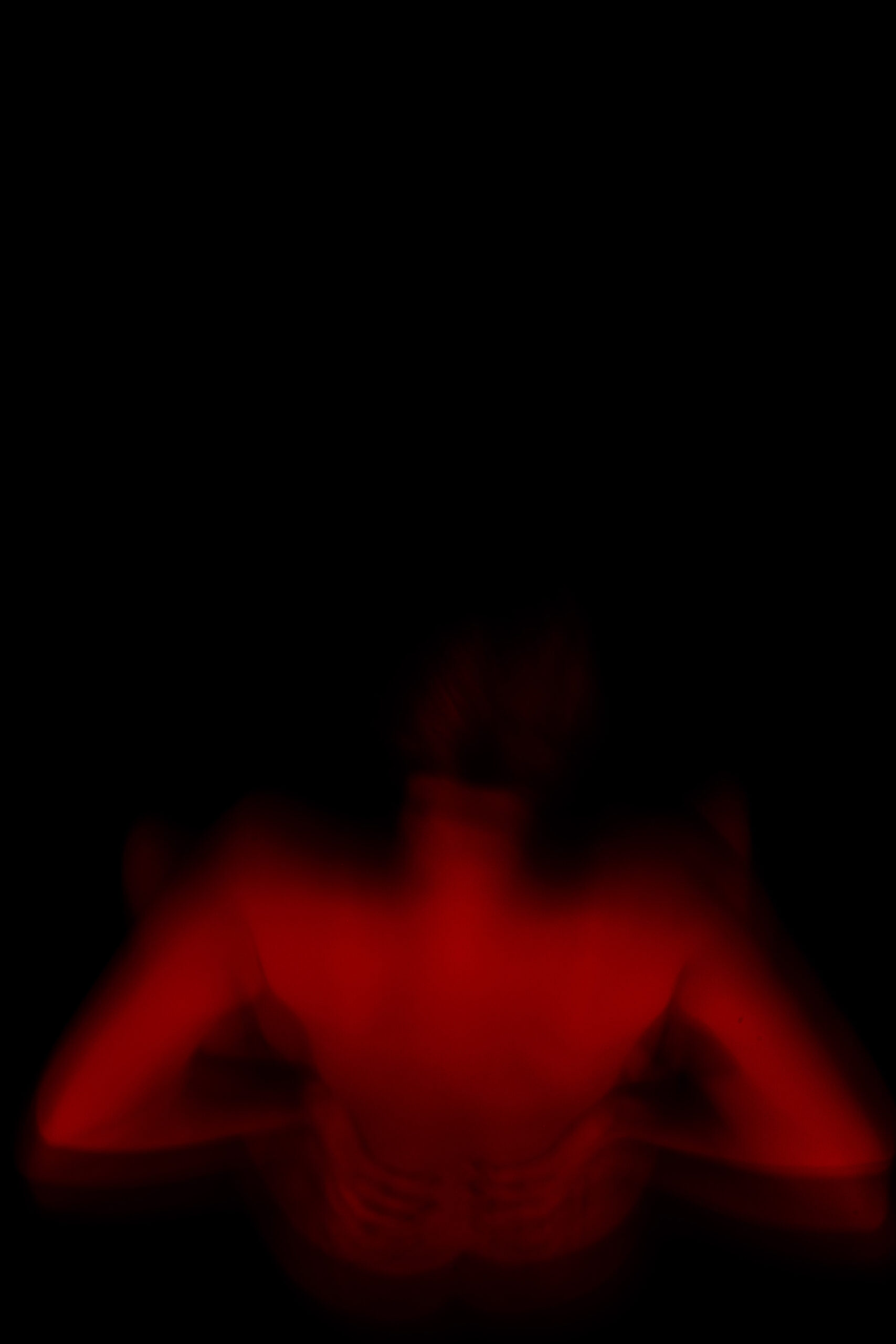
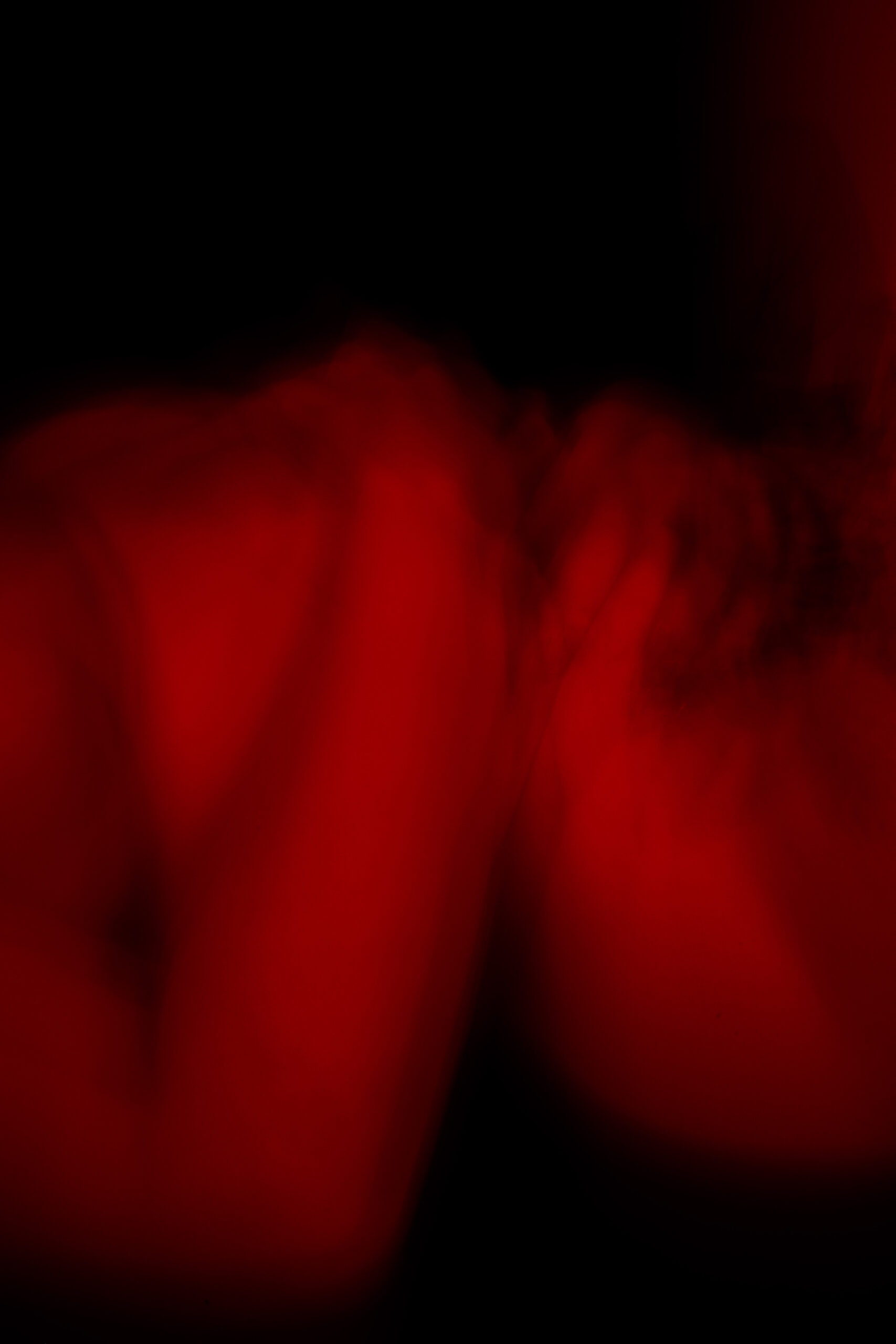
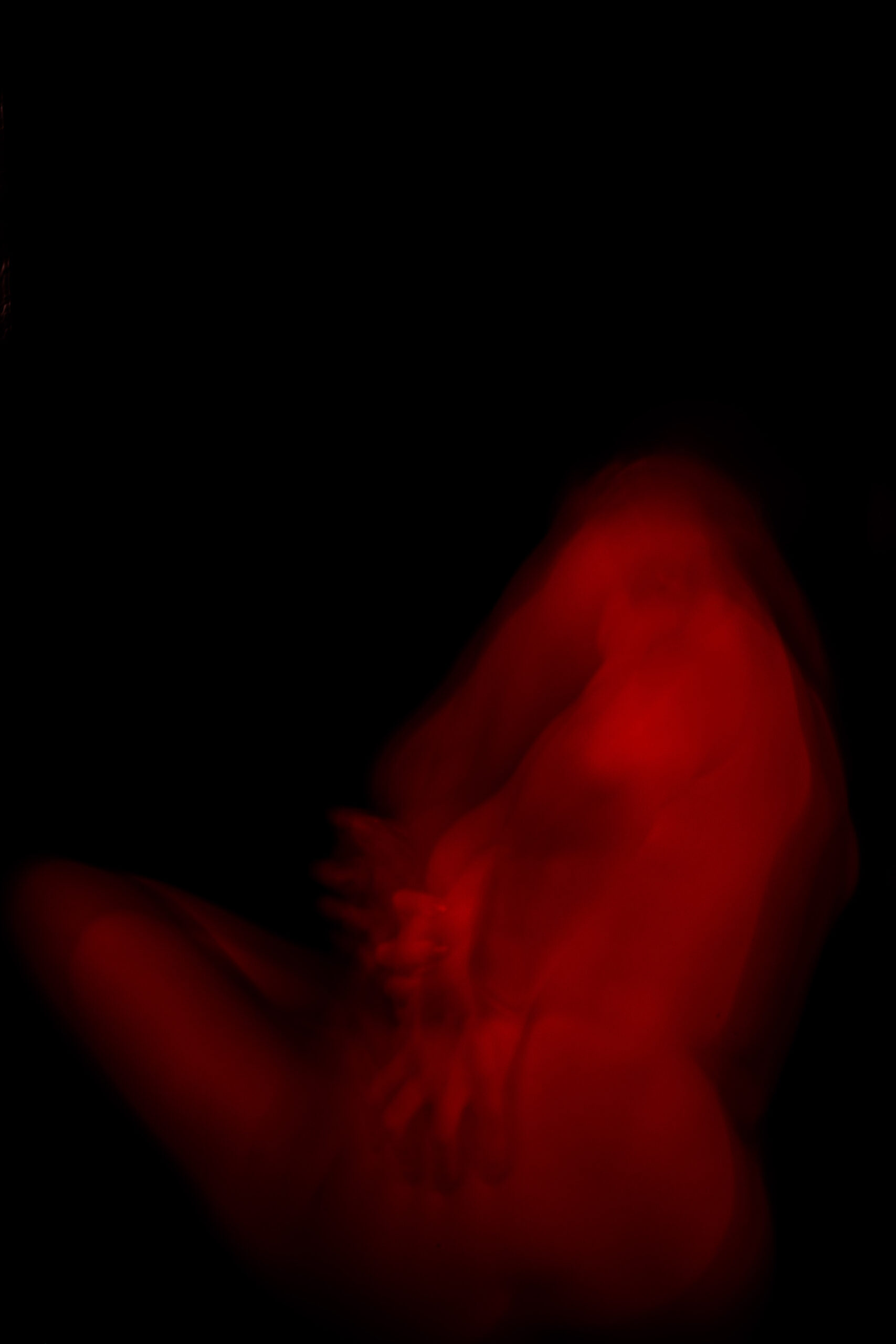
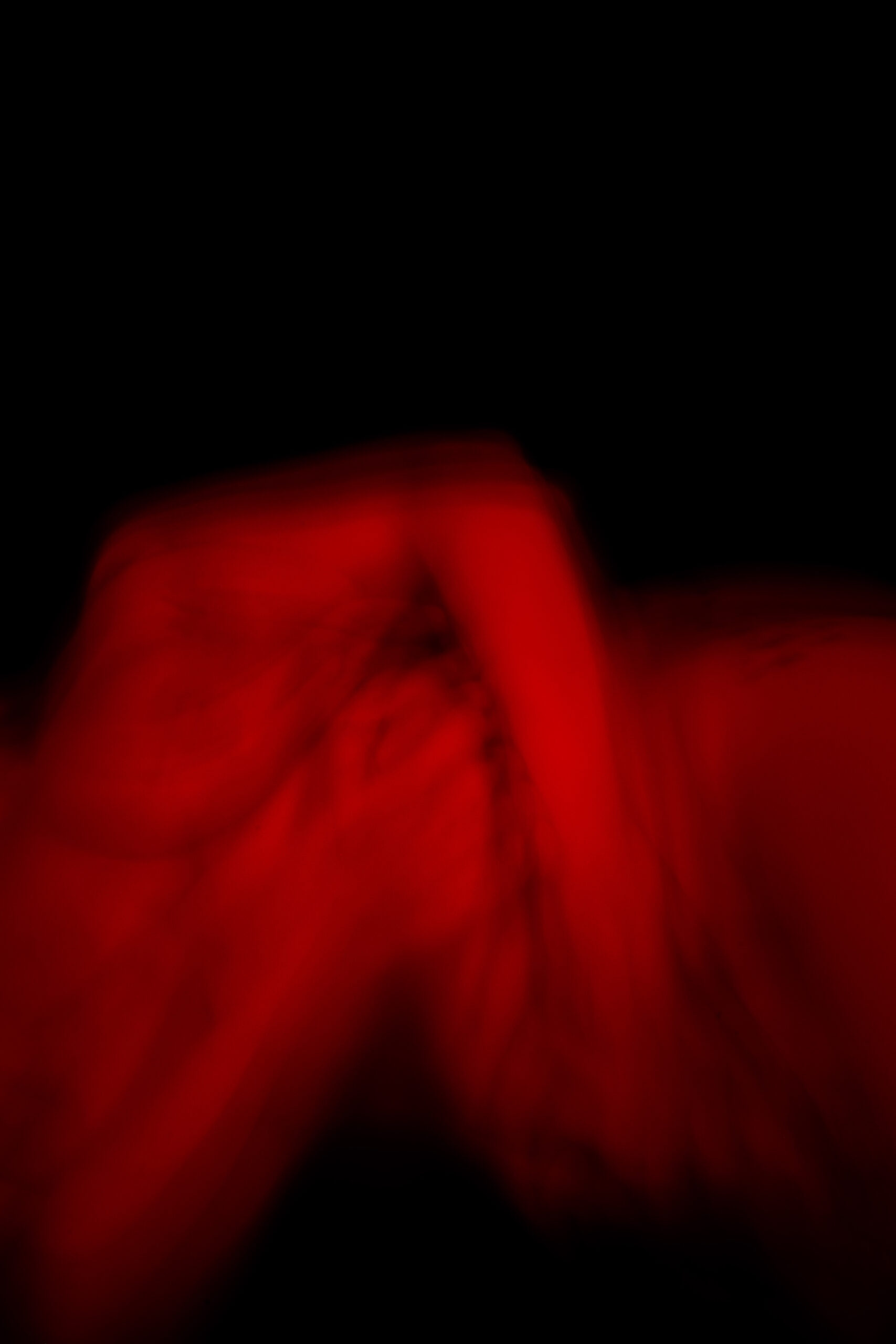
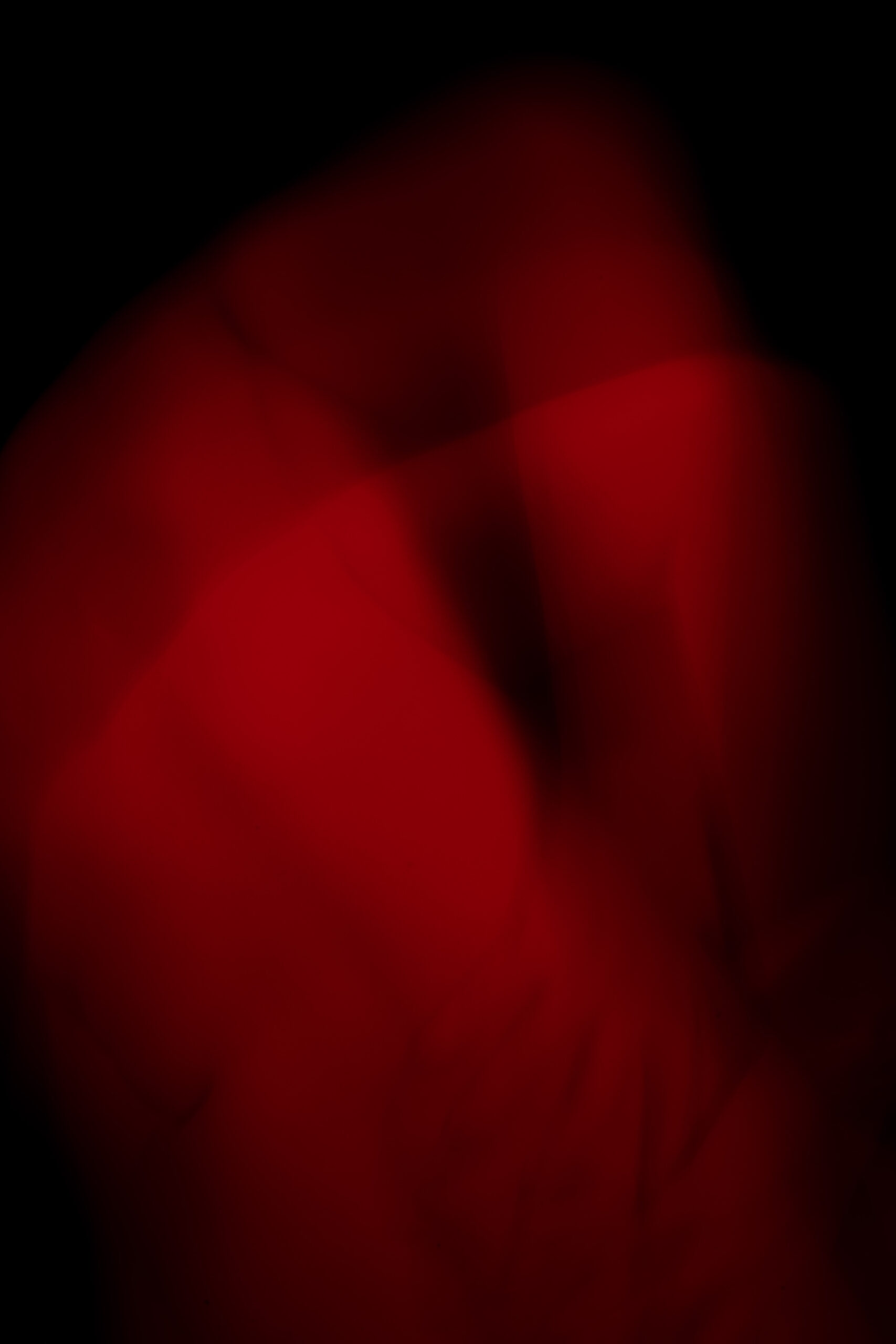
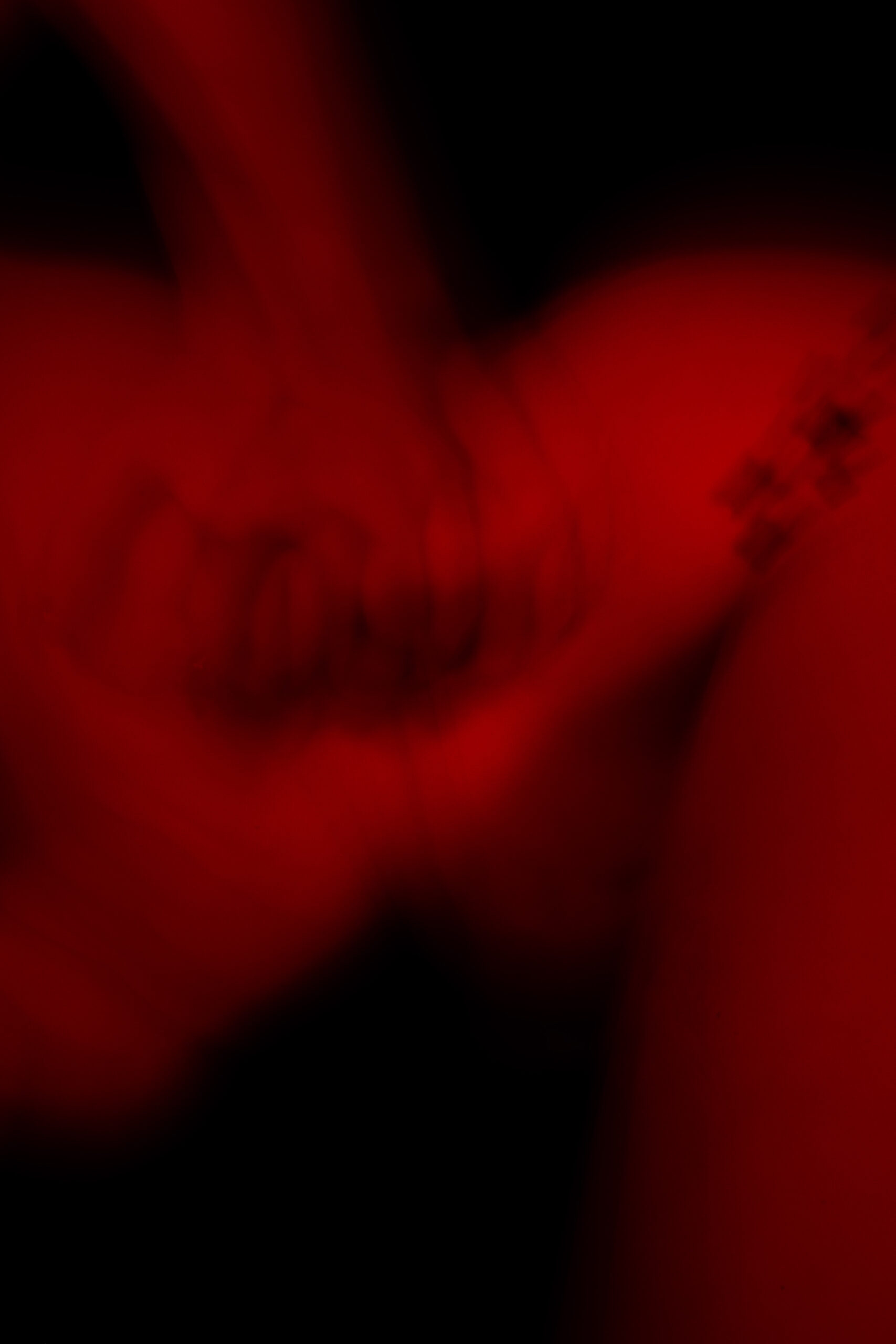
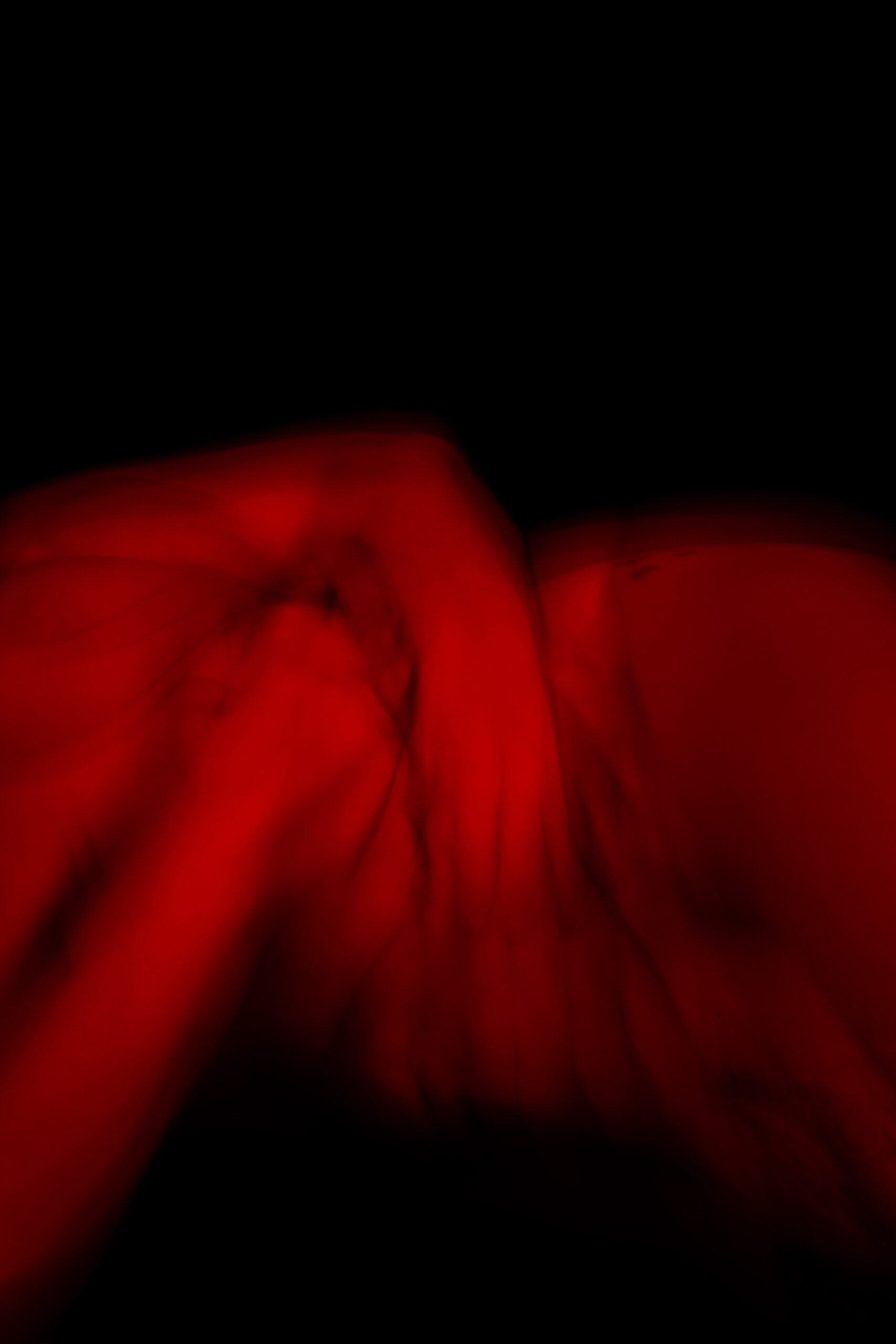
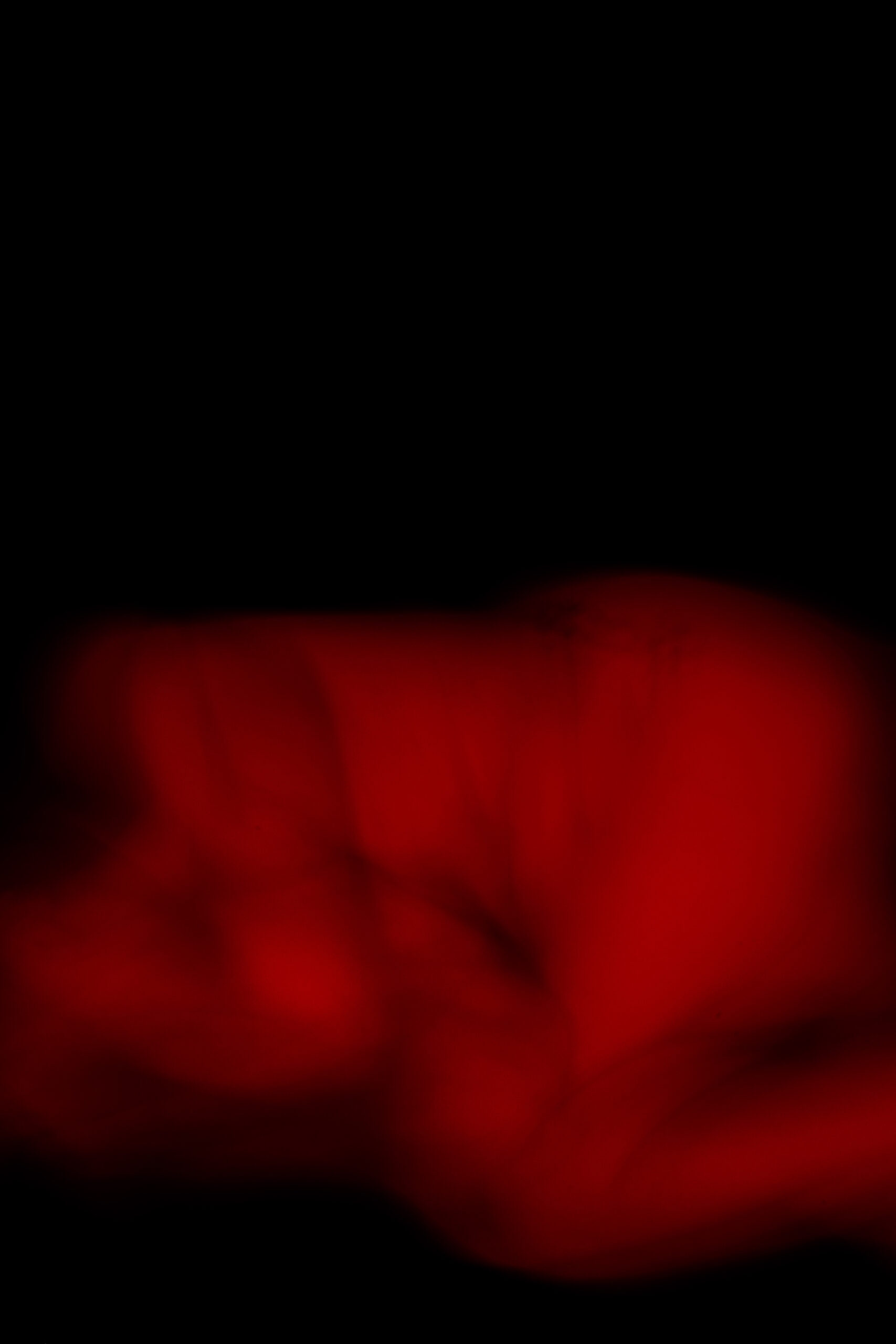
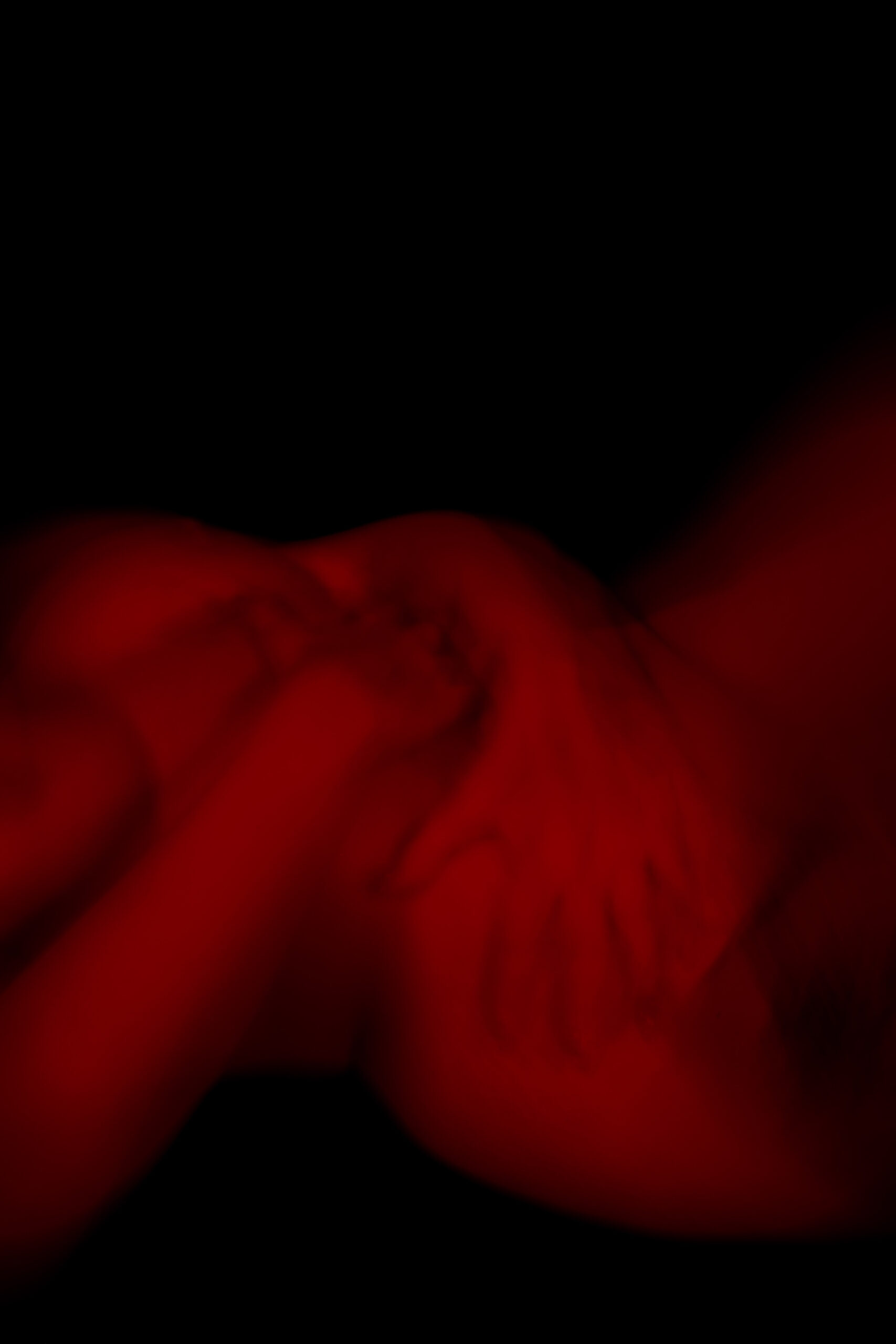
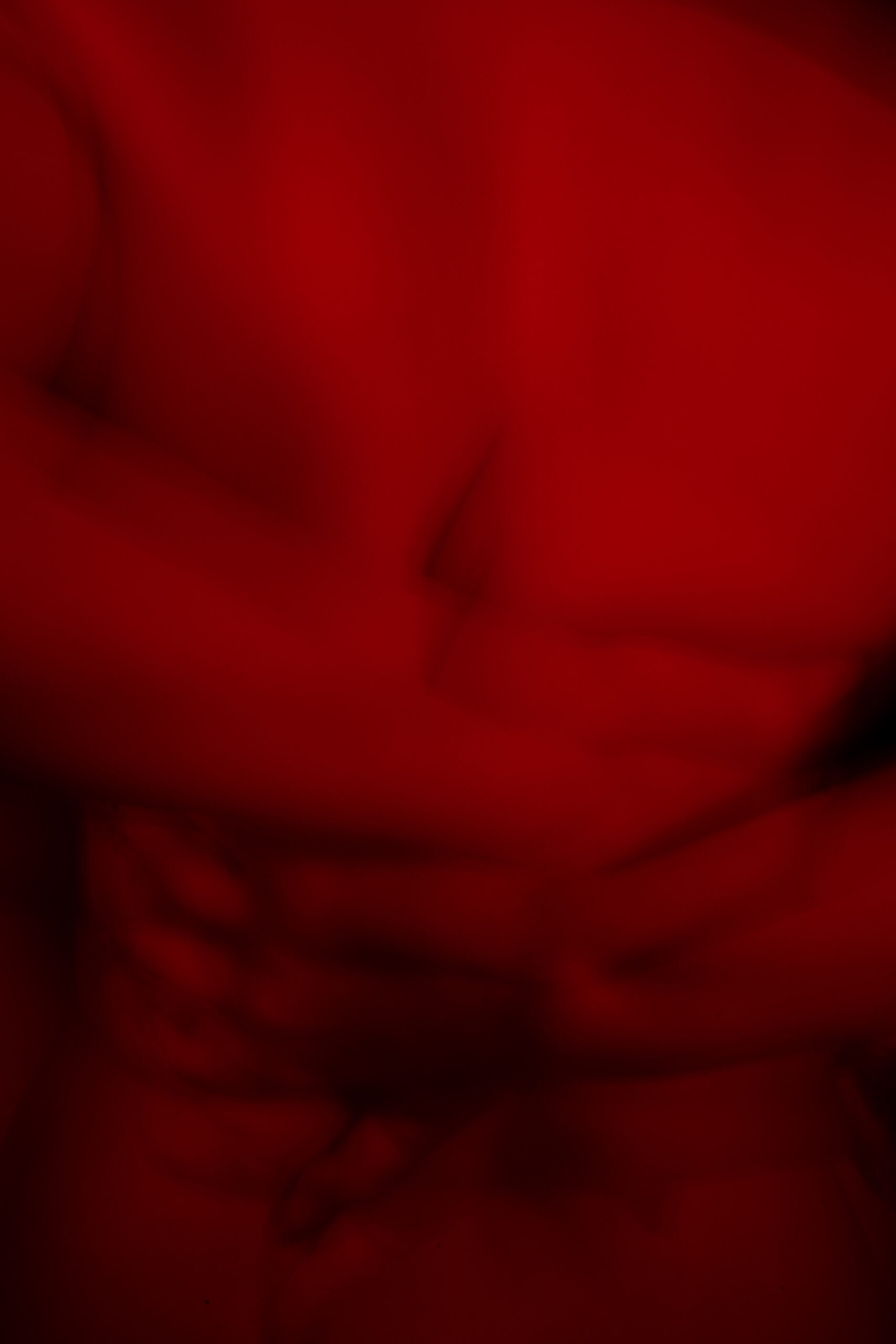
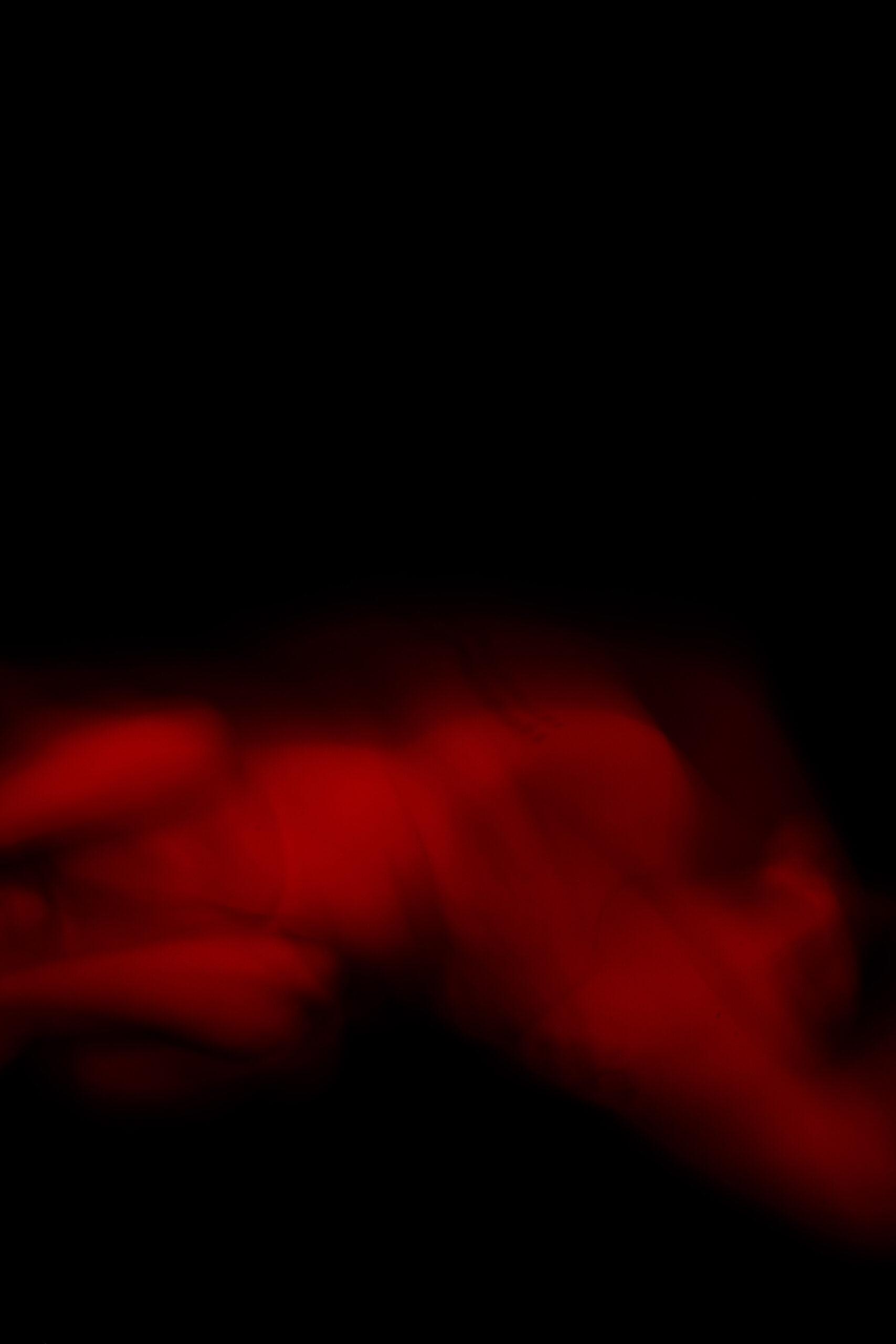
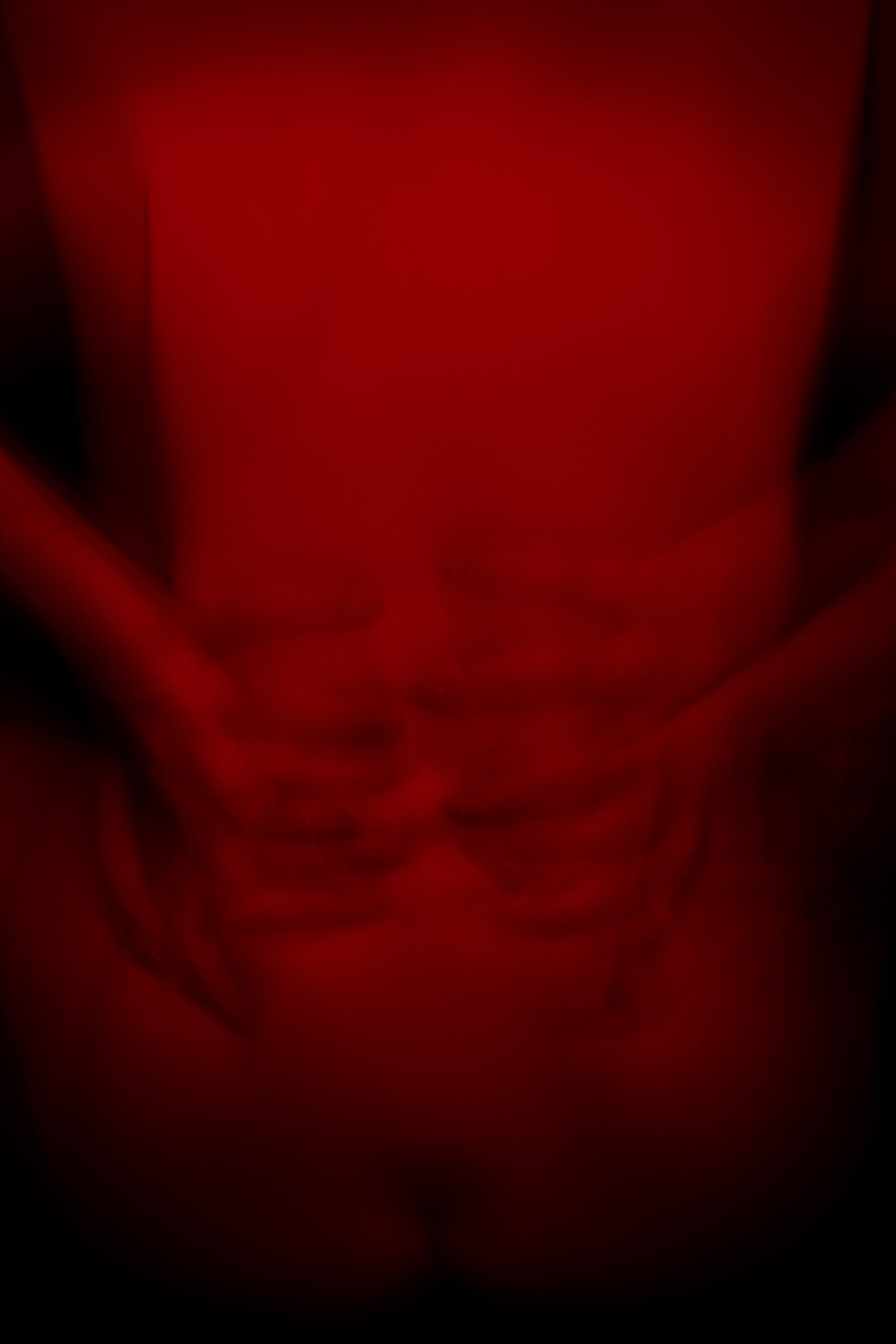
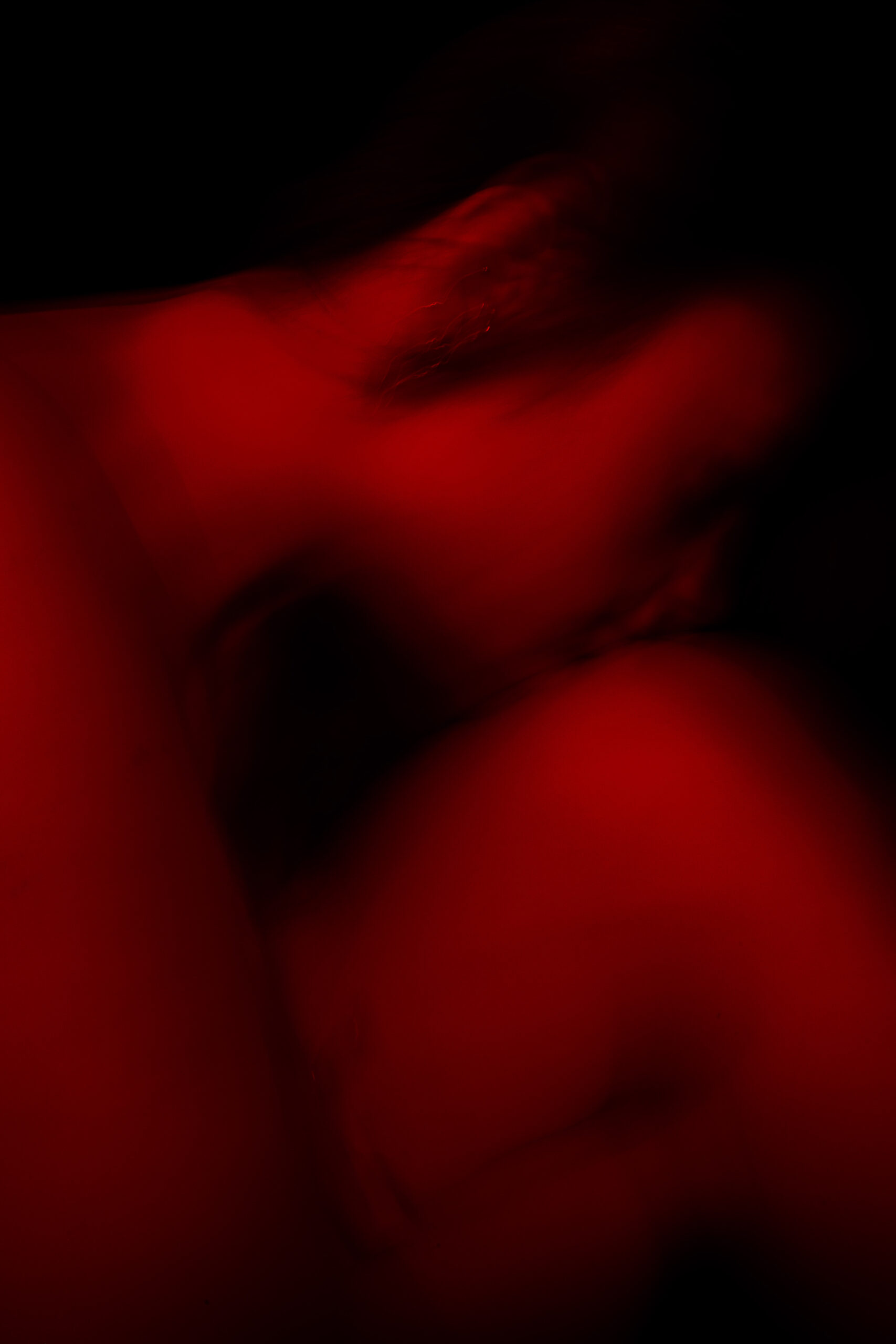
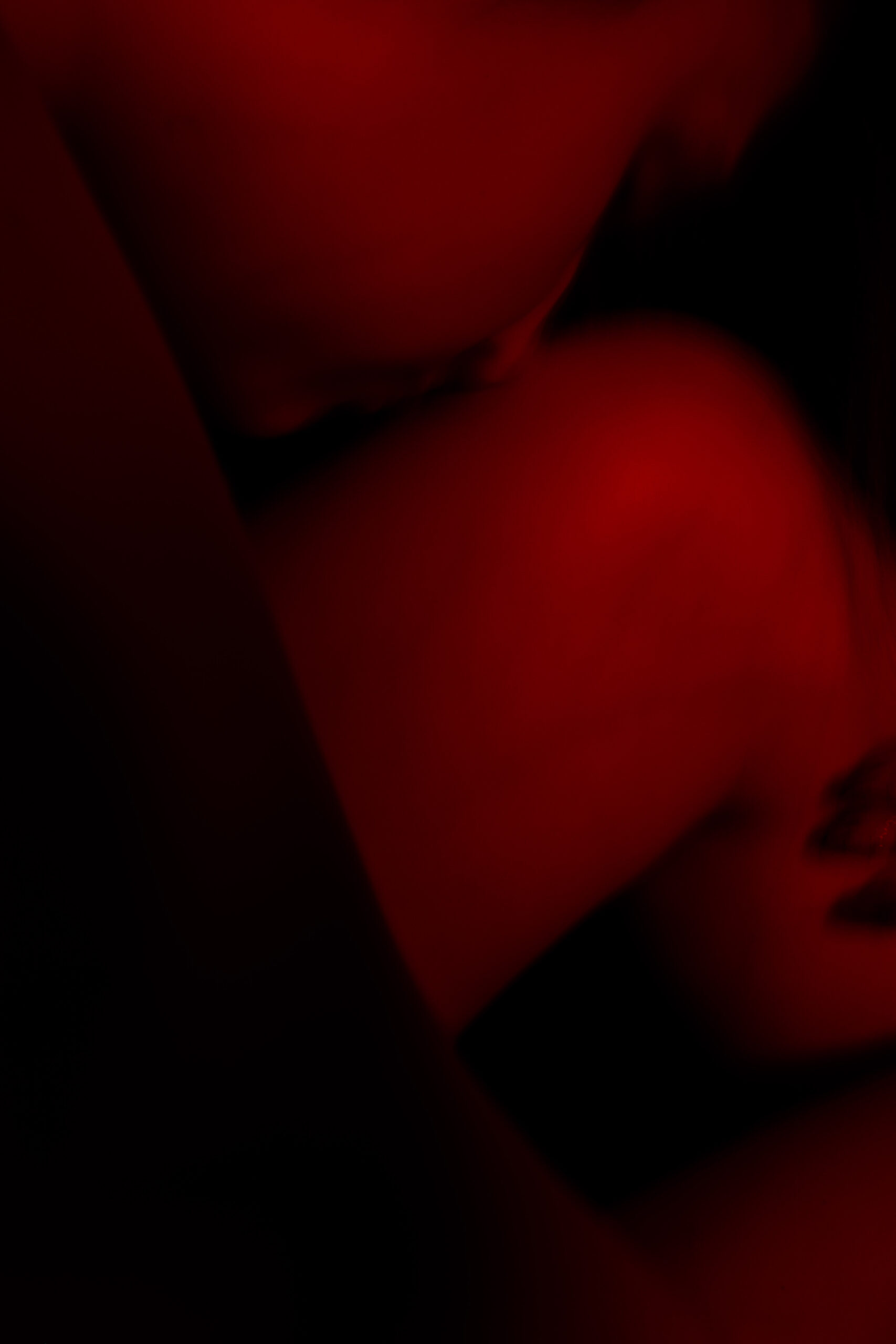
For everyone living with endometriosis, there is a private language of pain that the outside world almost never gets to read. It is a condition that can colour entire days, relationships, and futures, and yet leaves no outward mark on the body it lives in. This autumn, Endometriosis South Coast is working with photographer Phoebe Wingrove and four courageous women to change that, turning invisible suffering into a body of art that gives shape, colour, and voice to what chronic illness so often keeps hidden. Christie is the first to share her story. She chose the colour red for her portraits and agreed to put words to a wound most people never get to witness. This is her story, in her own words, alongside the wider picture of what endometriosis does to the one in ten women and girls who live with it.
An Illness With No Outward Sign
Endometriosis affects an estimated one in ten women and girls of reproductive age worldwide, roughly 190 million people, according to the World Health Organization. It is one of the most common gynaecological conditions on earth, more widespread than diabetes, and yet it remains one of the most misunderstood, largely because it hides in plain sight. There is no visible rash, no cast, no obvious sign to explain the exhaustion, the doubled-over pain, or the plans cancelled at the last minute. Symptoms typically include severe pain during periods, chronic pelvic pain that does not resolve when a period ends, heavy bleeding, bloating, nausea, and, for many, fertility difficulties. None of it shows up in a passport photo or a work meeting. For Christie, that invisibility has shaped almost everything about how she experiences the condition, from how she talks about it to whether she talks about it at all.
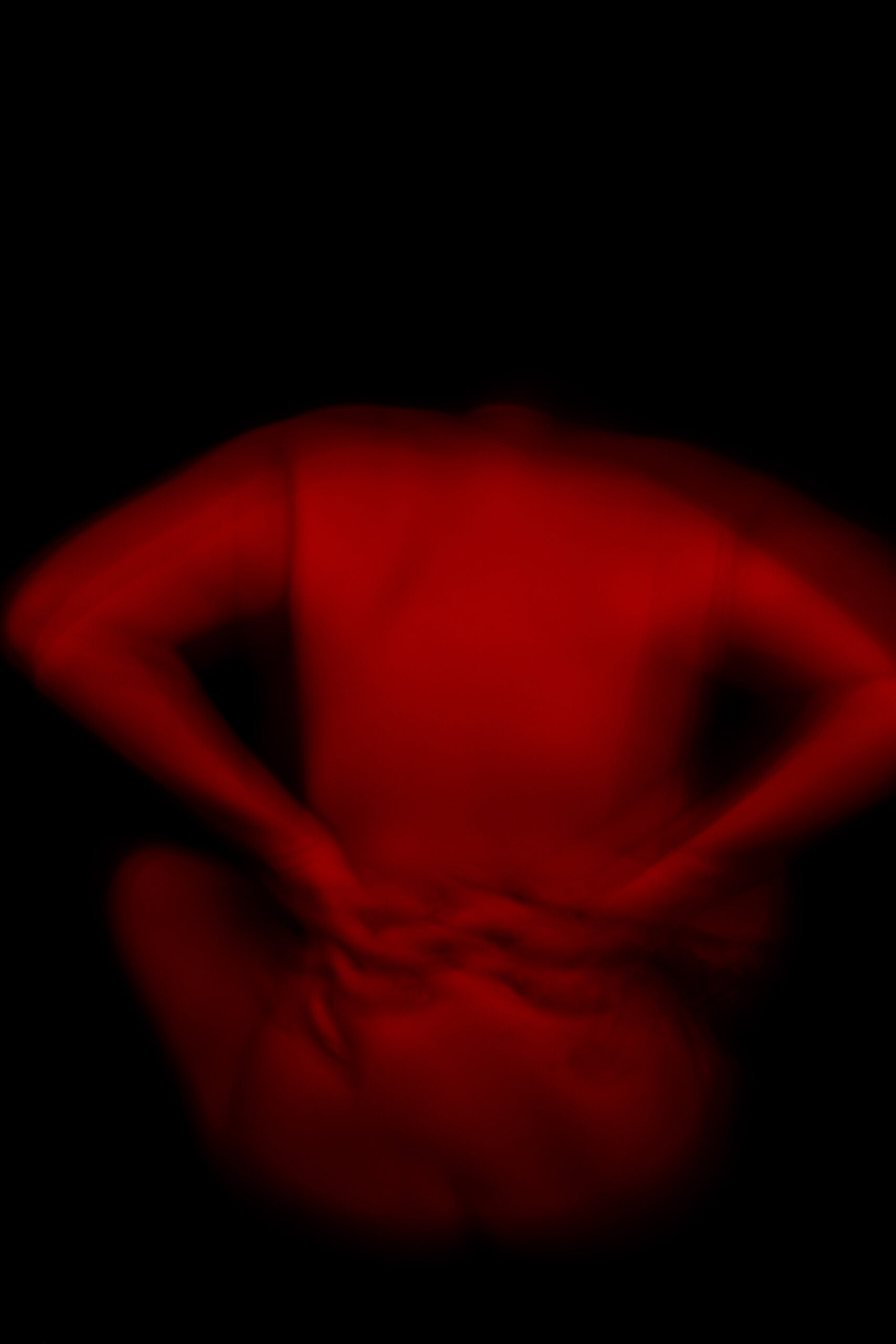
I took part in this project because my experience with endometriosis has always felt invisible. I’ve often wondered what it would look like if everything I feel—the pain, the anger, the grief—were visible on the outside. How would it be seen?
That single question sits at the heart of this whole project. If pain could be worn on the skin the way a bruise is worn, would the world respond differently? Would appointments run longer, referrals come sooner, and dismissive comments never be spoken at all? Phoebe Wingrove’s photography exists to answer that question the only way art can: by making the invisible visible, at least for the length of a portrait.
Red: Blood, Anger, Pain
Colour carries meaning throughout this collaborative art project, and for Christie the choice was immediate and unambiguous.
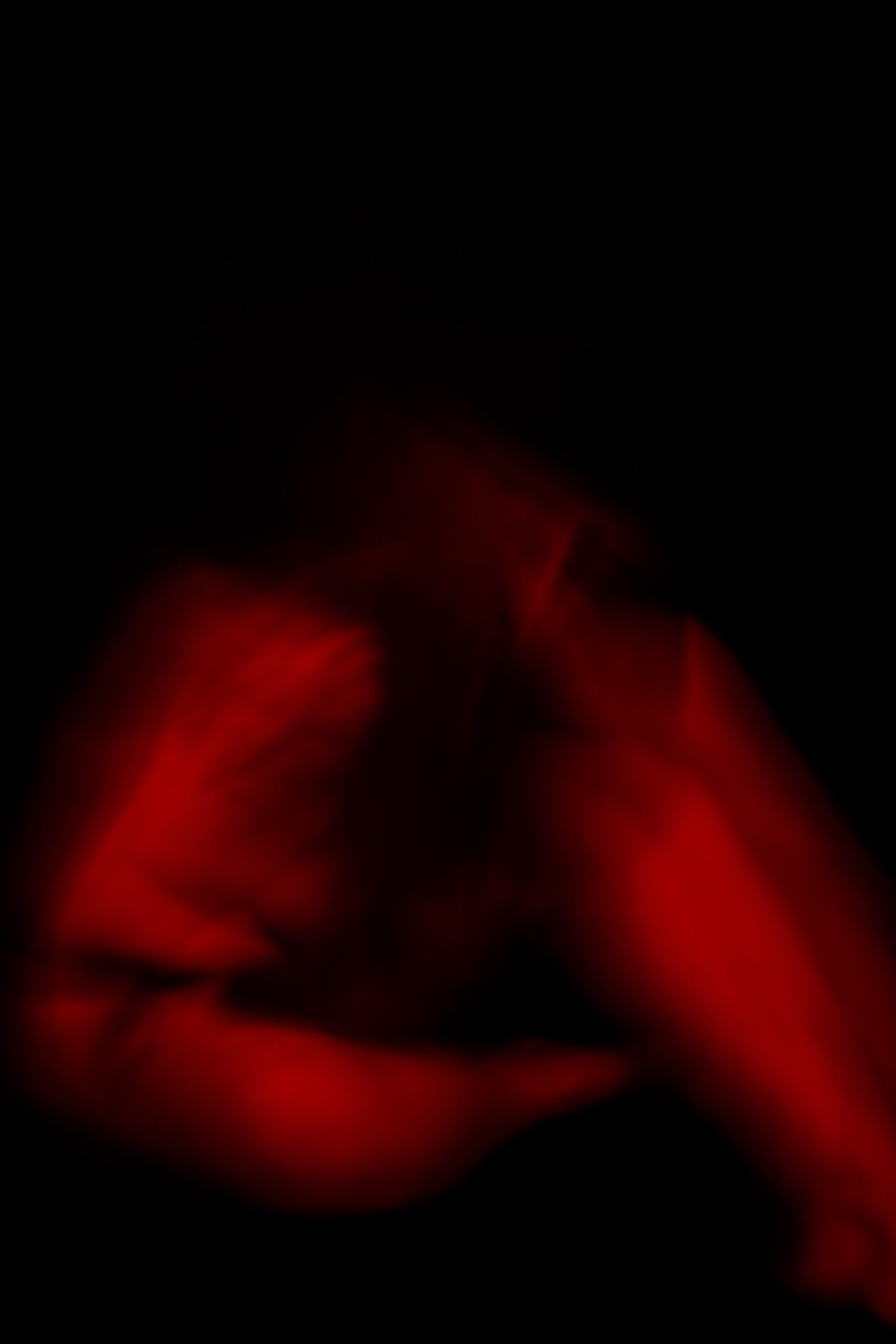
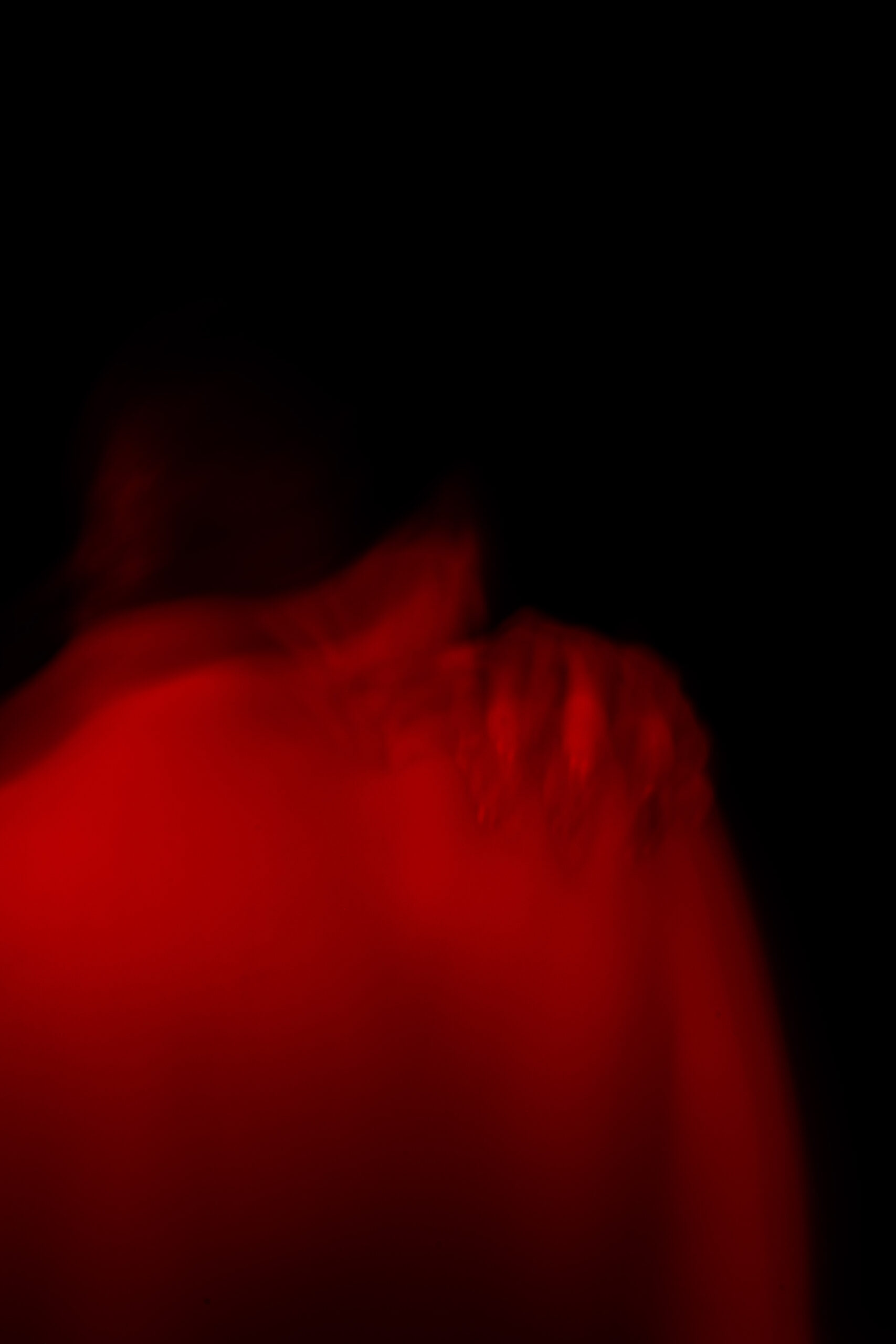
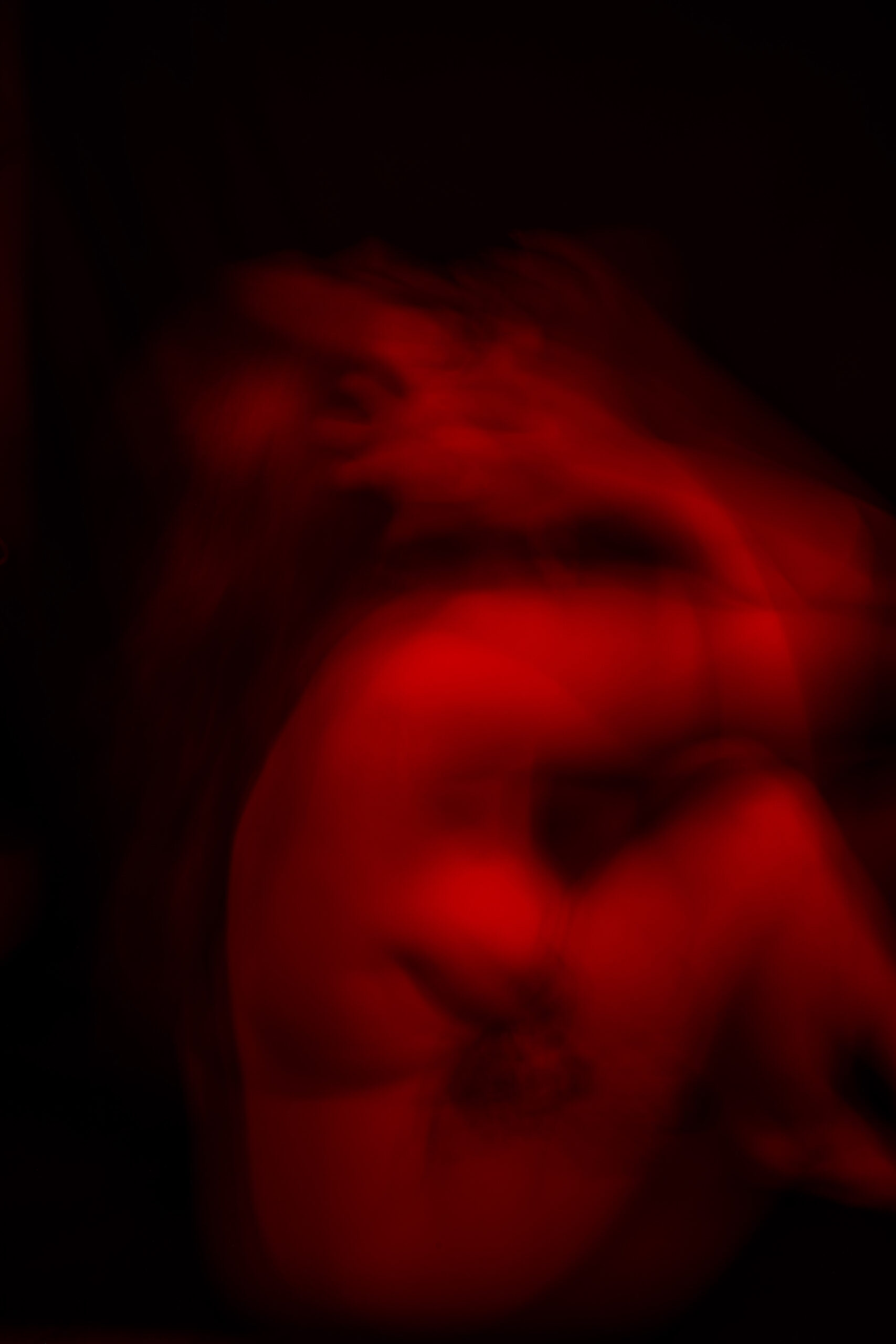
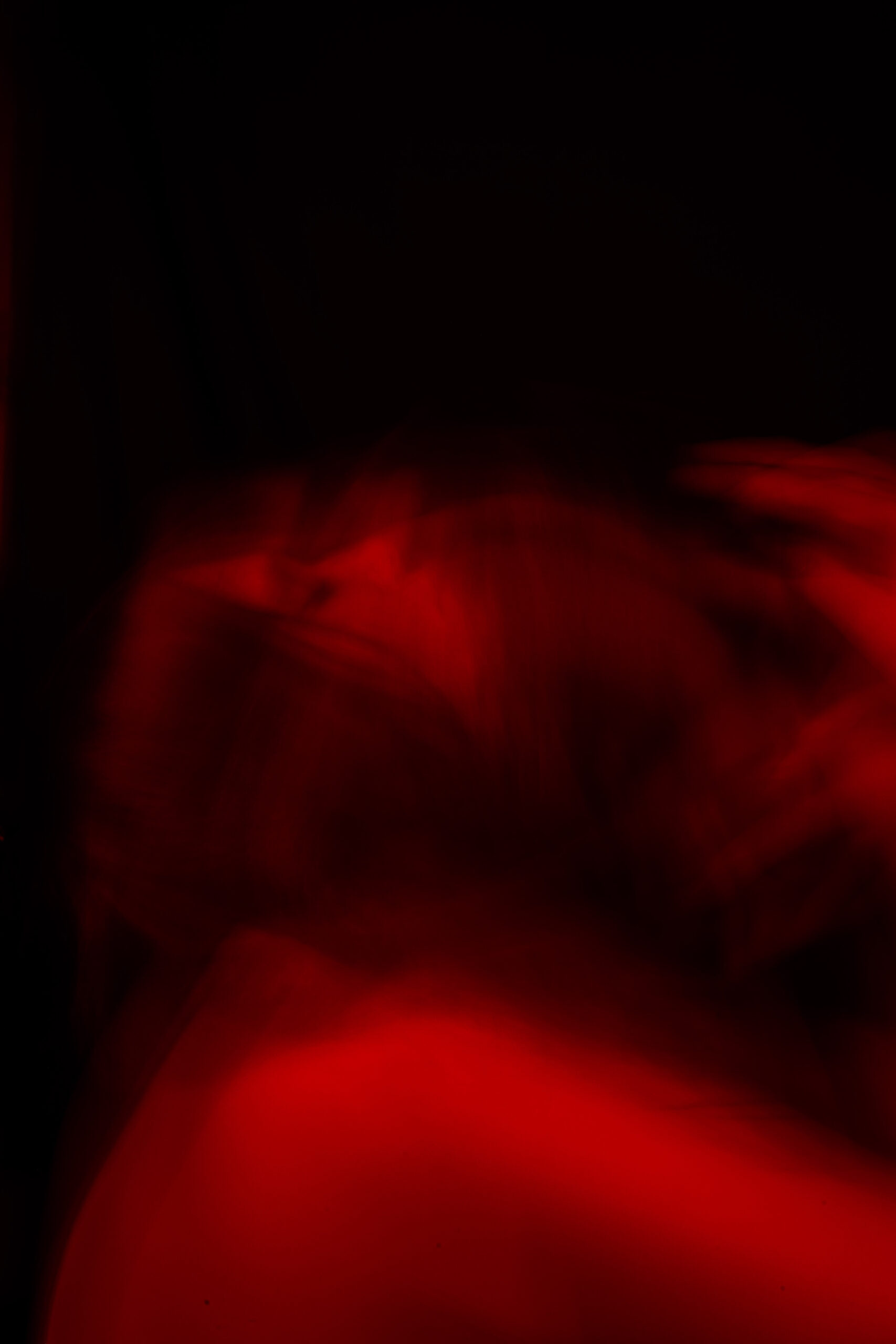
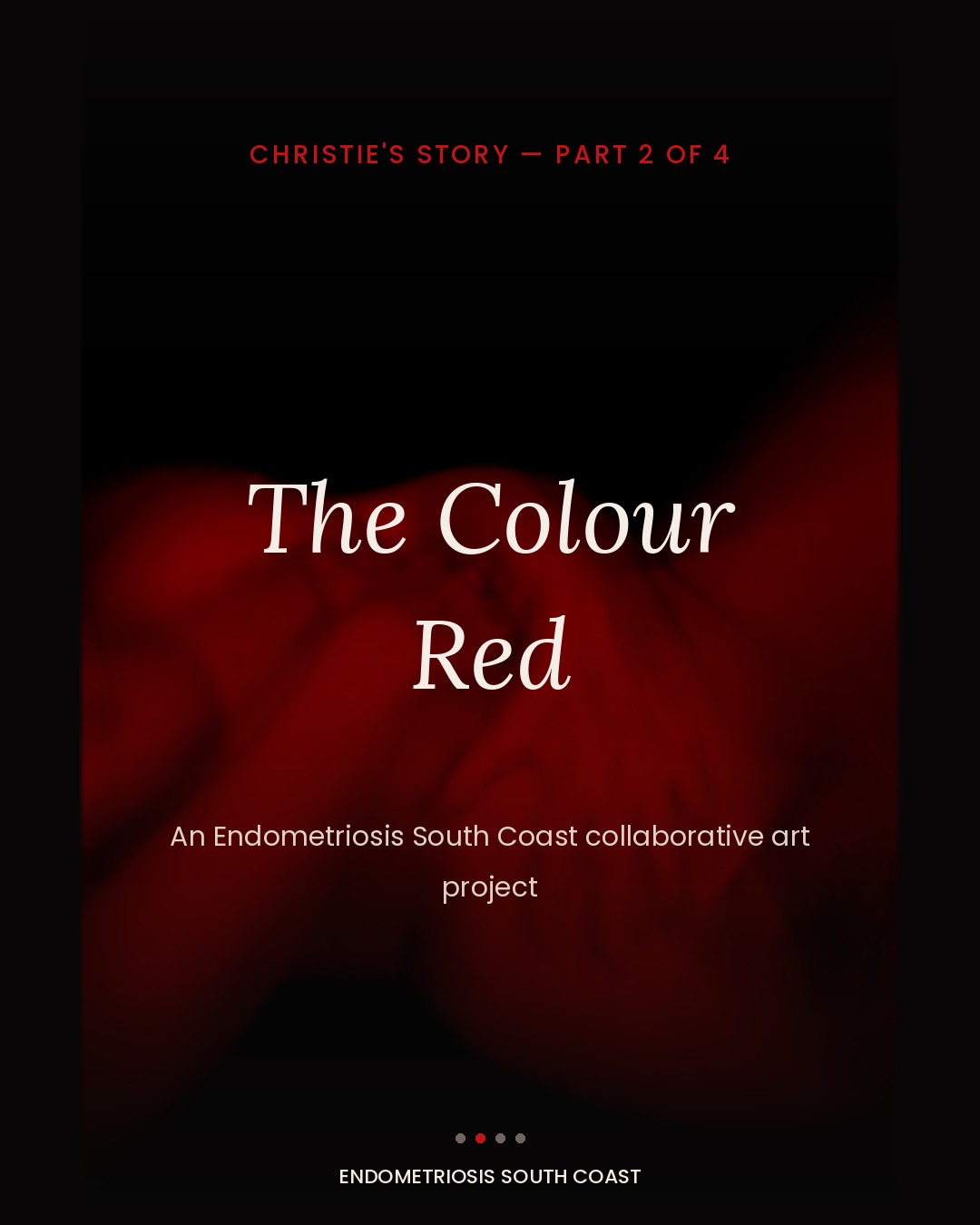
I chose the colour red because, to me, it captures it all: the blood, the anger, the pain. Through the piece, I tried to express that overwhelming urge to escape my own body—the feeling of wanting to crawl out of it completely. The rocking back and forth reflects both the physical reality of how I move when the pain becomes unbearable, and the endless back-and-forth with doctors, never quite getting the answers or relief I need.
That “endless back-and-forth” is not a figure of speech. Endometriosis UK’s most recent national survey found that the average time between first symptoms and a confirmed diagnosis in the UK now stands at eight years and ten months, a figure that has grown, not shrunk, since 2020. Almost half of respondents had visited their GP ten or more times before being diagnosed, 70 percent had been five or more times, and 78 percent said a doctor had, at some point, told them they were making a fuss about nothing, an increase on the figure recorded just a few years earlier. Christie’s rocking motion, caught in Phoebe’s lens, is a portrait of that exhausting loop: symptom, appointment, disbelief, repeat. Red, in her portraits, is not decoration. It is the colour of everything that loop costs a person to carry, appointment after appointment, year after year.
A Body at War With Itself
Chronic illness rarely produces a simple relationship with one’s own body, and Christie was candid about the contradiction she carries.
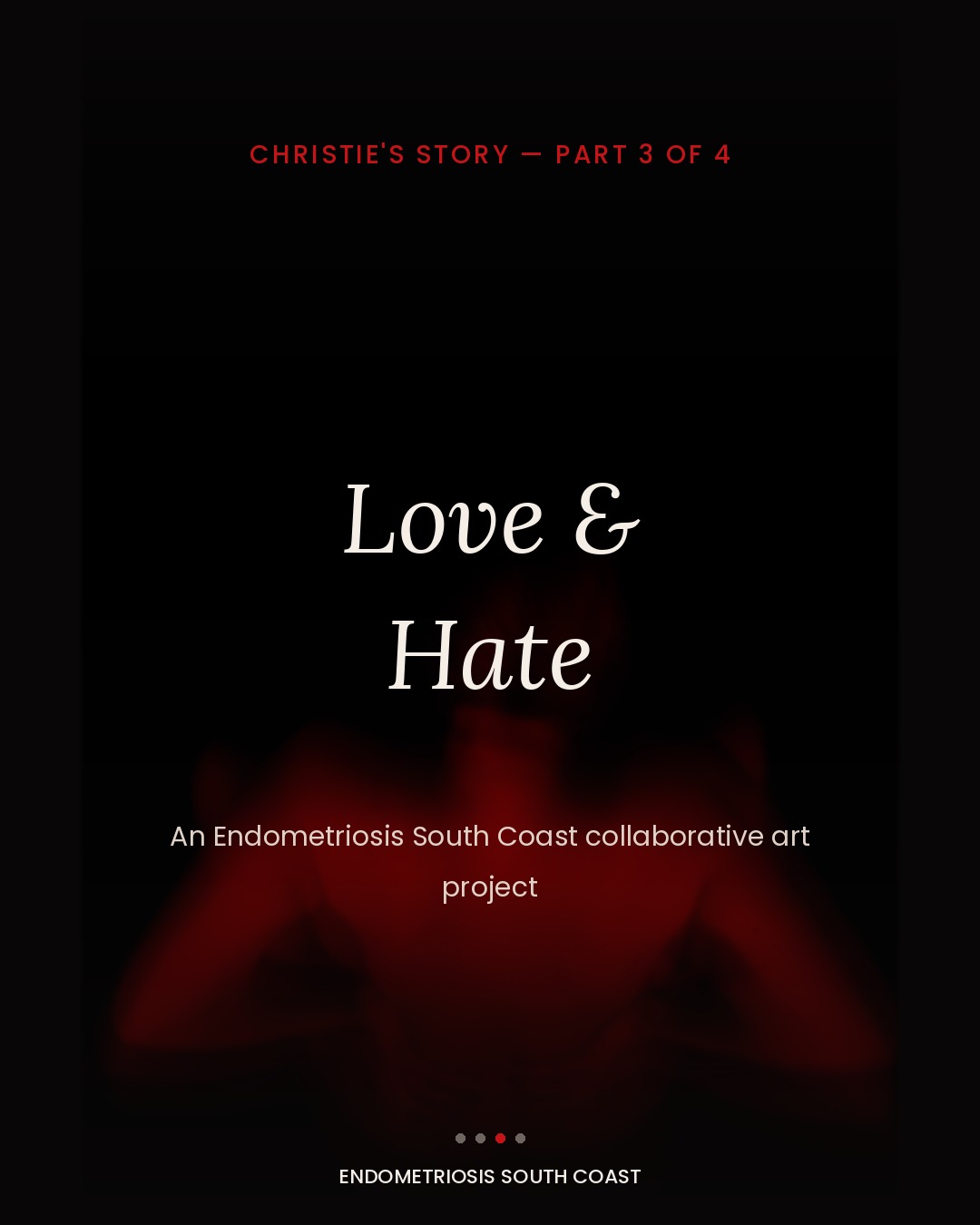
I also wanted to show the duality in how it feels to wear this body. There is love—I try to care for it, to appreciate how hard it fights to keep going despite everything it endures. But alongside that is anger, even hatred at times, for the pain it causes without reason. I did nothing to deserve this, and although people often say that to comfort me, those words can always cut the deepest.
It is a feeling many people with endometriosis will recognise: gratitude and fury living in the same body, sometimes in the same hour. Research into the psychological impact of endometriosis consistently finds elevated rates of anxiety and depression among those living with the condition, alongside a reduced quality of life, and clinicians increasingly argue that emotional support has to sit alongside pain management, not trail behind it, treating the mind and the body as one connected problem rather than two separate referrals. Christie’s words give that clinical language a face. “I did nothing to deserve this” is not self-pity; it is a fact so many patients are never told plainly enough, by doctors or by themselves, and it is one of the reasons the well-meaning comfort of strangers can land so badly. Being told there is no reason for the pain, when you are the one living inside it daily, can feel less like reassurance and more like erasure.
Being Seen, Fully and Authentically
For a project built entirely around visibility, the experience of being photographed mattered as much as the images themselves.
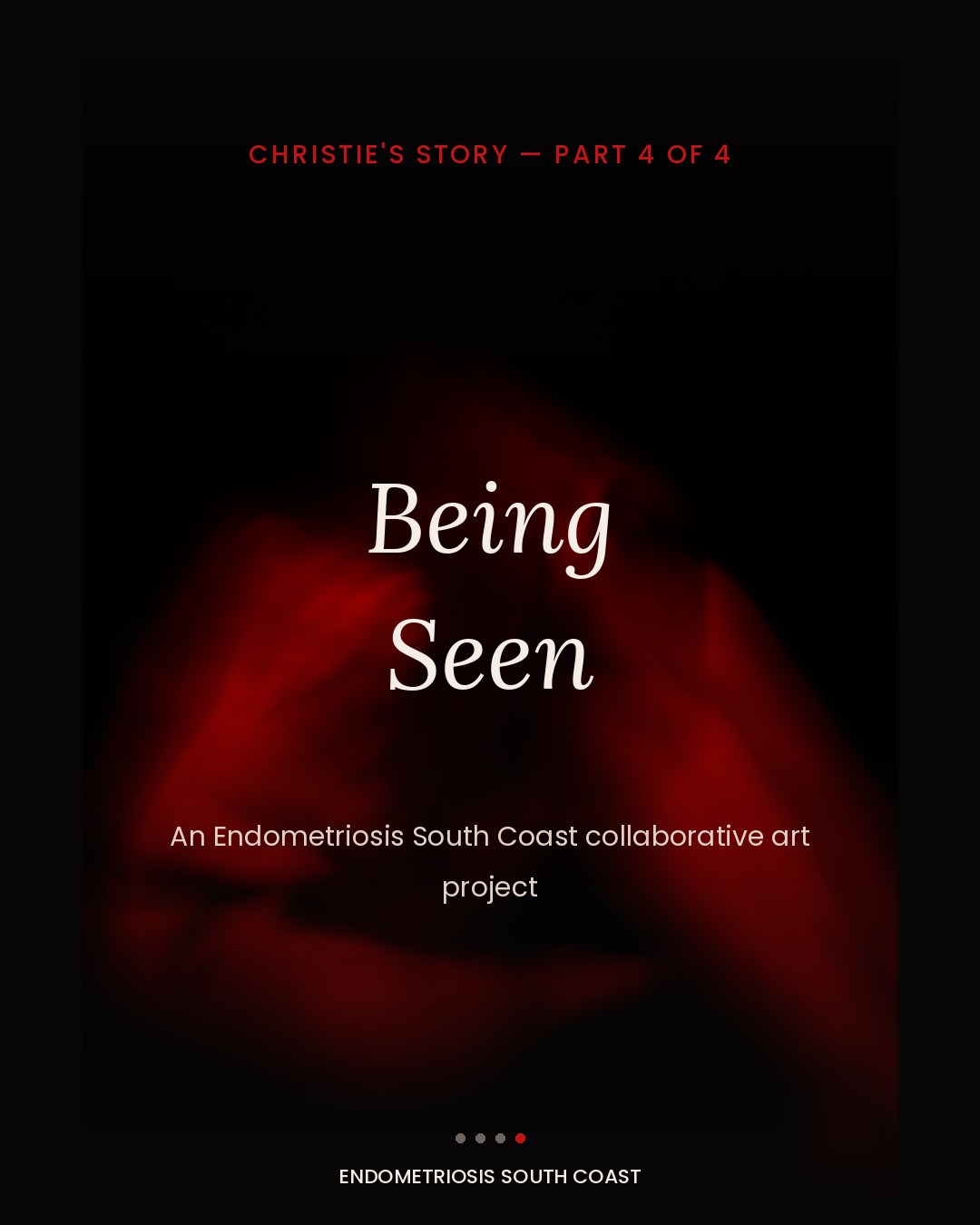
Throughout the process, Phoebe made me feel completely at ease—so much so that I often forgot she was even there. The way she listened to my story, and the care she took to ensure my experience was represented authentically on camera, felt both validating and deeply appreciated.
That word, validating, comes up again and again in accounts from people with endometriosis, and for good reason. Studies on patient experience have found that when healthcare providers acknowledge and believe a patient’s pain, it measurably improves their sense of self and their outcomes, while dismissive encounters do lasting damage that can outlast the appointment itself by years. Phoebe’s collaborative approach, letting Christie lead and simply listening, offered a version of being seen that the medical system too often fails to provide, and it is telling that a two-hour photoshoot could deliver something so many years of consultations had not: the simple experience of a story being received exactly as it was told, without a raised eyebrow or a change of subject.
Why This Project Matters
Endometriosis South Coast exists to close the distance between lived experience and public understanding, and art has proved to be one of the most powerful tools for doing that. A photograph cannot replace a diagnosis or a treatment plan, but it can do something a leaflet rarely can: stop someone mid-scroll and make them sit, even briefly, inside another person’s pain. Over the coming weeks, Sandy, Rowan, and Anna-Marie will share their own stories and their own colours, each carousel and each blog post adding another piece to a fuller, more honest picture of what living with endometriosis actually looks and feels like on the South Coast and far beyond it. Representation of this kind does quiet, cumulative work: it tells someone newly diagnosed that their anger is not excessive, it gives partners and friends language for what they are witnessing, and it gives GPs and clinicians a reminder that the ten-minute appointment in front of them may be the latest chapter of a years-long story.
If Christie’s Story Sounds Familiar
If any part of Christie’s story has struck a chord, you are not alone, and you do not have to make sense of it by yourself. Keep a symptom diary before appointments, since a documented pattern of pain, bleeding, and its impact on daily life is one of the most effective tools for being taken seriously and referred onward promptly. Ask directly for a referral to gynaecology if pelvic pain is persistent, and know that it is entirely reasonable to seek a second opinion if you feel dismissed. Endometriosis South Coast runs peer support alongside this project specifically because a diagnosis this hard to reach should never have to be pursued alone, and because the isolation Christie describes so often eases the moment it is shared out loud with people who already understand it.
Thank you, Christie, for trusting us with something this personal, and thank you to Phoebe Wingrove for the generosity and skill she brought to every frame. If Christie’s words feel familiar, you are not imagining the pattern, and you are not alone in it. Follow along as the series continues over the coming weeks, share your own story with us if you would like to, and if you take one thing from Christie’s portraits, let it be this: pain does not need to be visible to be real, and it never needed anyone’s permission to be believed.
Words: Christie · Photography: Phoebe Wingrove