
October 23, 2026
The Comfort of Spirituality
Anna-Marie’s Endometriosis Story
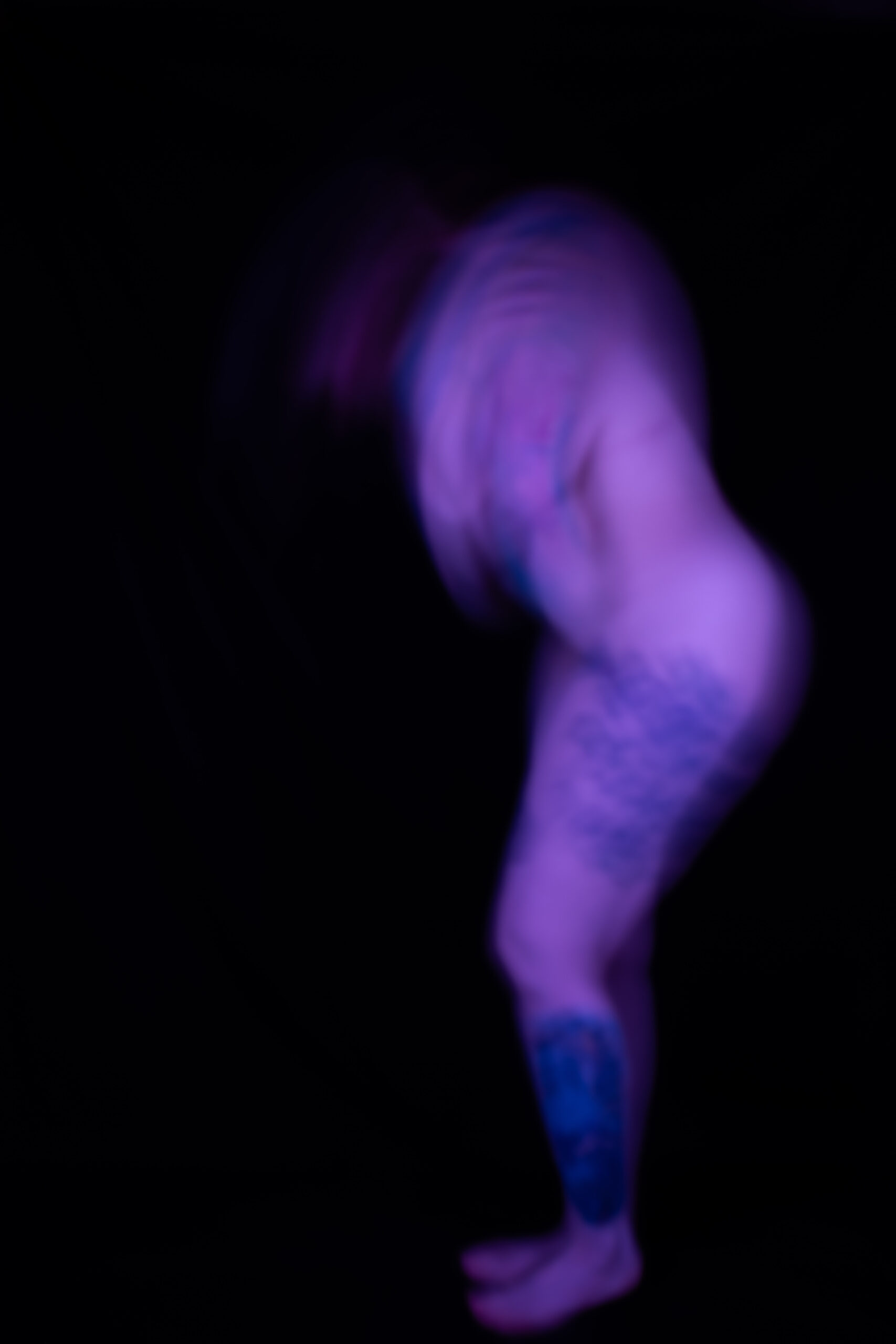
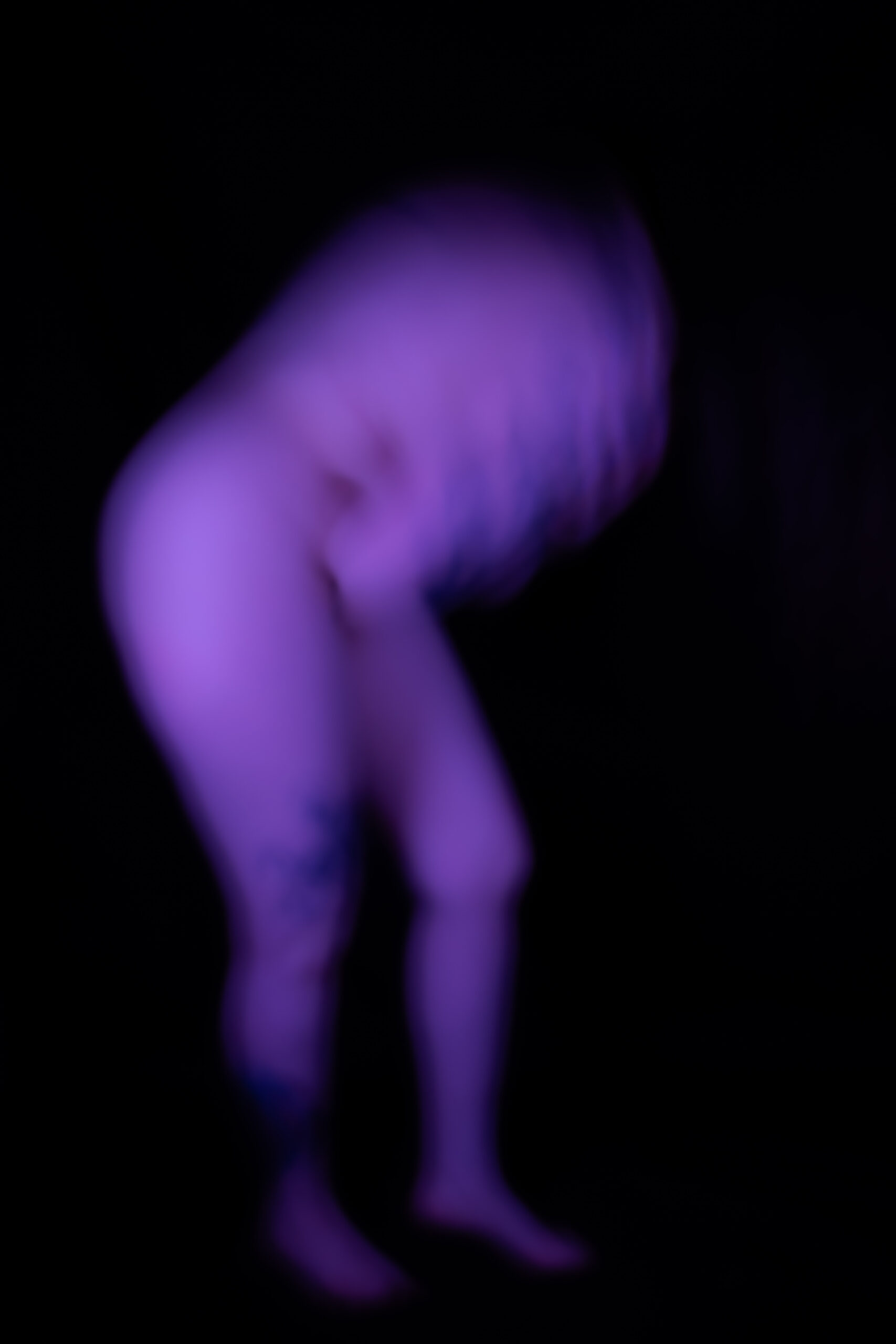
This collaborative art project closes with Anna-Marie, photographed by Phoebe Wingrove in deep, striking purple, a colour Anna-Marie chose herself and one that carries its own deliberate meaning. Where Christie’s red spoke to anger and blood, Sandy’s blue to grief and depth, and Rowan’s nude and pink to isolation and instinct, Anna-Marie’s purple speaks to something quieter: the darkness of chronic illness held alongside the comfort of faith. Anna-Marie’s journey with endometriosis began young, and her hope in taking part was explicitly for other young women who might be walking a version of the same path. This is Anna-Marie’s story, in her own words.
A Lived Experience, Shared on Purpose
Anna-Marie was clear from the outset about why she wanted to be part of this project, and who she hoped it might reach.
I was honoured to be asked to participate in this collaborative project, as I feel it offers a unique and creative approach to raising awareness of women’s health issues, and for sharing my lived experience in a bid to support other young women. My journey with Endometriosis has been a lengthy one, with my most challenging moments occurring when I felt I was most vulnerable.
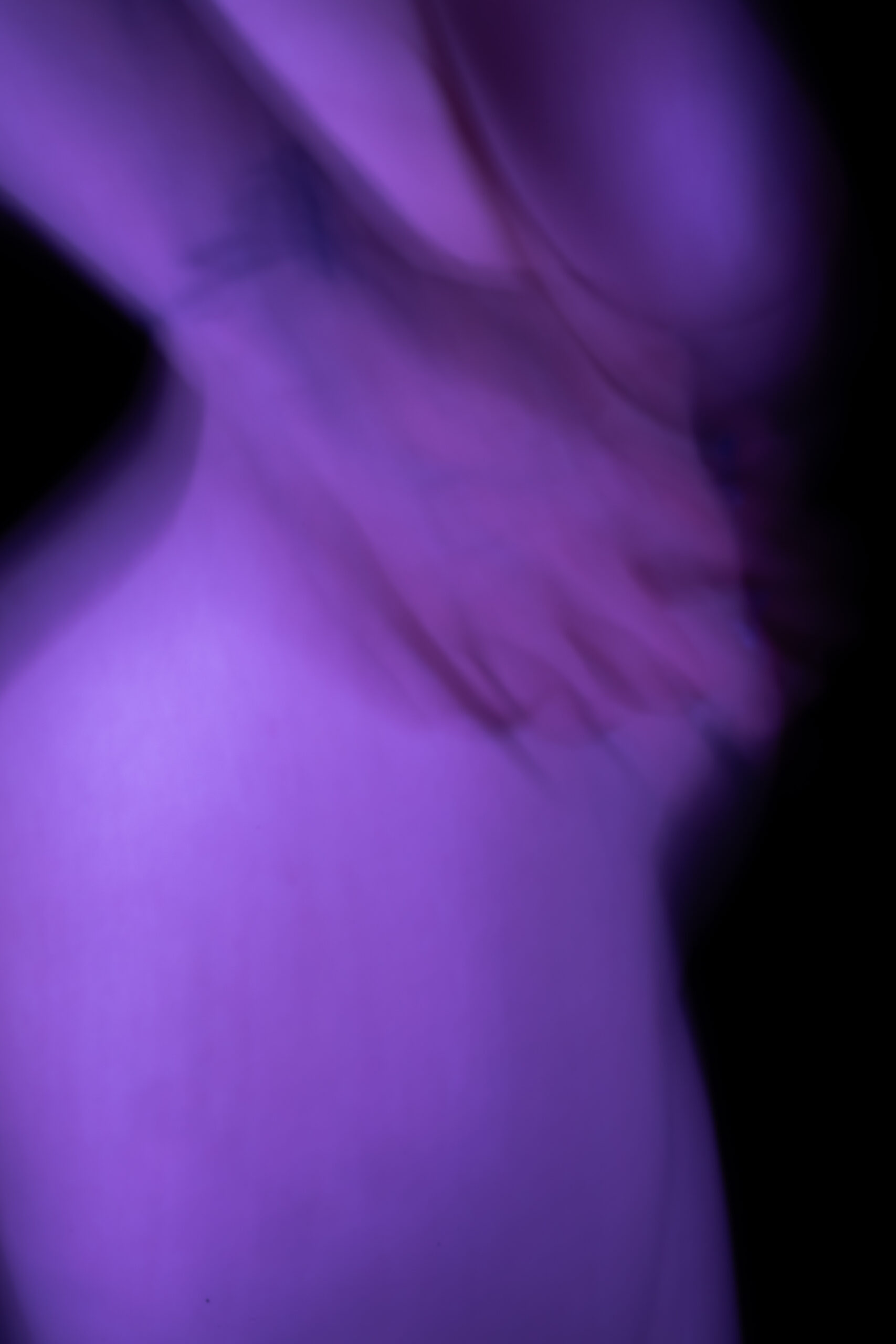
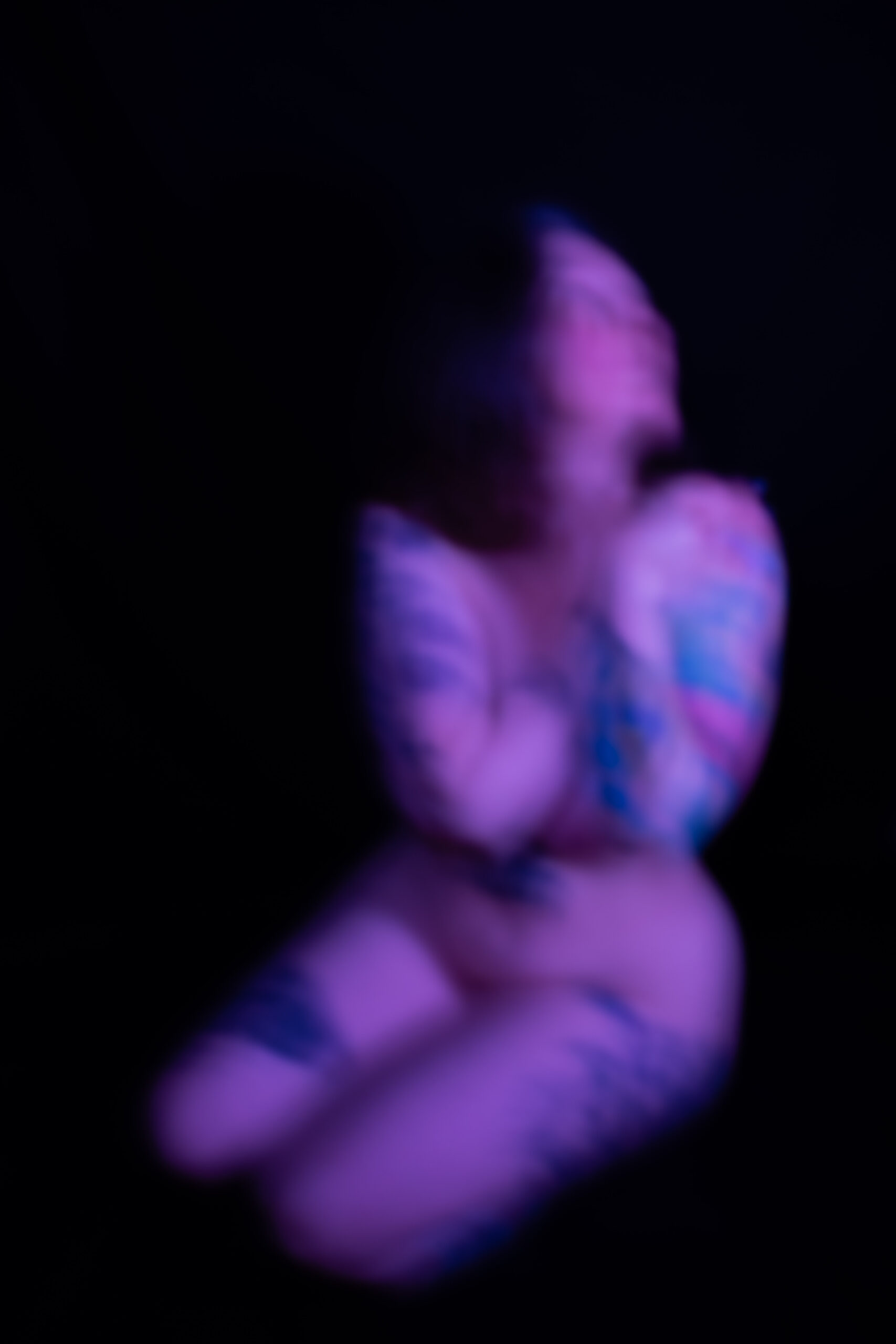
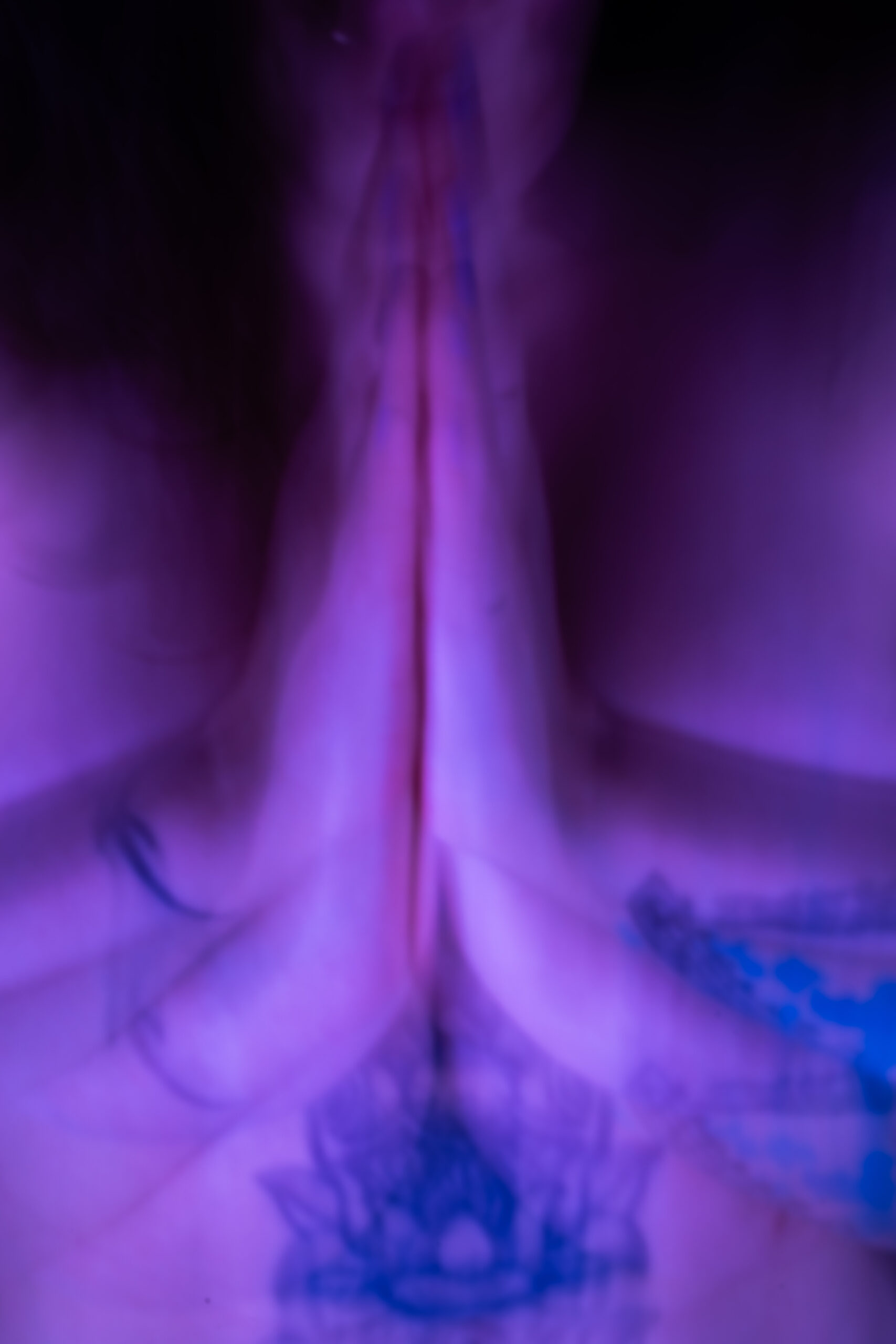
Endometriosis is a condition with an unusually long tail. While it is typically diagnosed in a person’s twenties or thirties, research consistently shows that symptoms very often begin in adolescence, sometimes years before anyone takes them seriously enough to investigate. Across the UK, the average time between first symptoms and a confirmed endometriosis diagnosis now stands at eight years and ten months, and for people whose symptoms started as teenagers, that delay can stretch across the entire back half of their education and the start of their working life. That gap between the first symptom and the first real conversation about it is where Anna-Marie’s most vulnerable moments happened, and it is exactly the gap she is hoping to shorten for the next generation of young women by speaking openly now, rather than waiting, as she did, for a diagnosis to arrive on its own timeline.
Why Purple
Every participant in this series chose their own colour, and Anna-Marie’s explanation of hers is one of the most direct statements of the project’s emotional range.
I chose the colour Purple to represent the darkness that can come with living with chronic illness, as well as the comfort of spirituality that I have been fortunate to find along my journey.
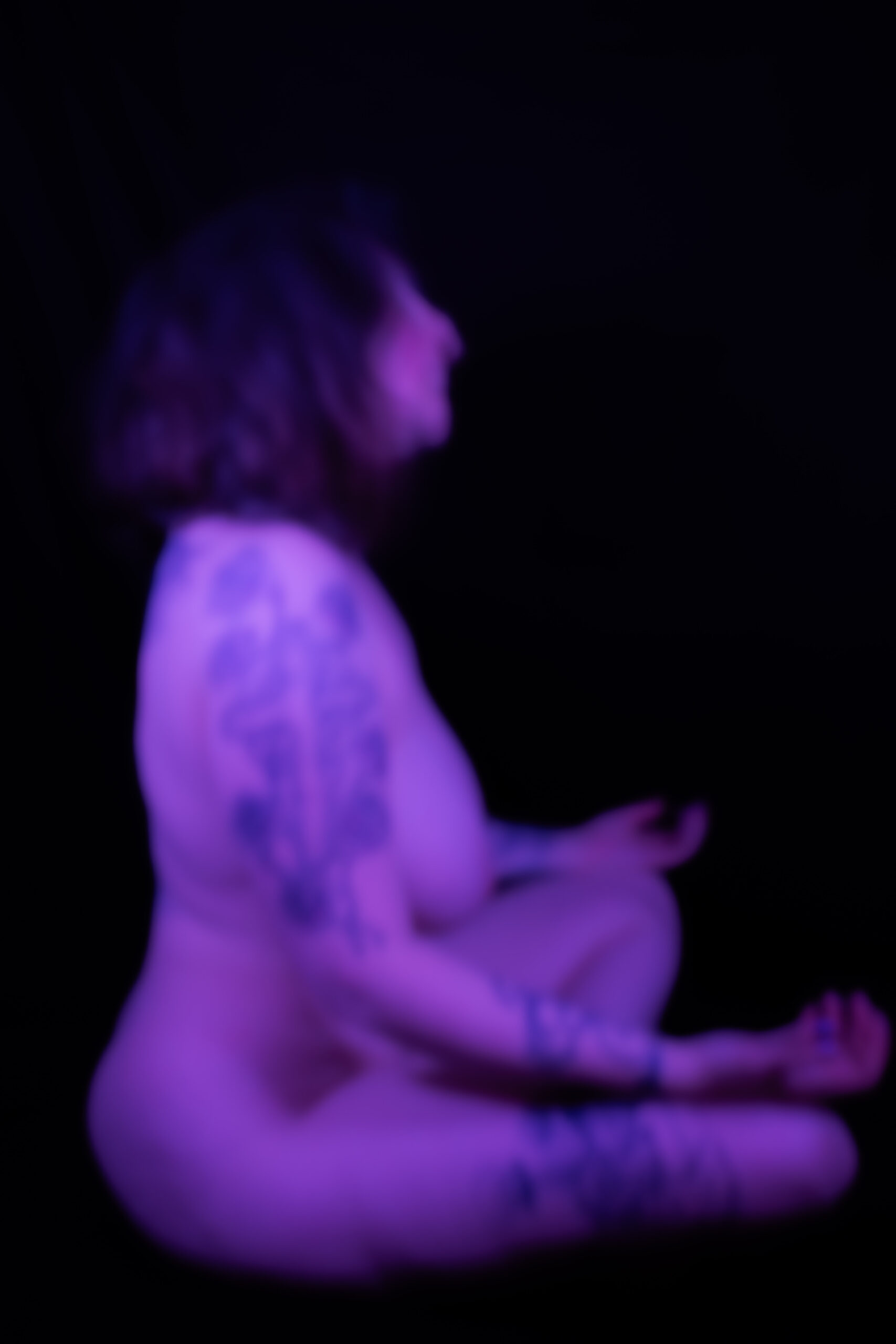
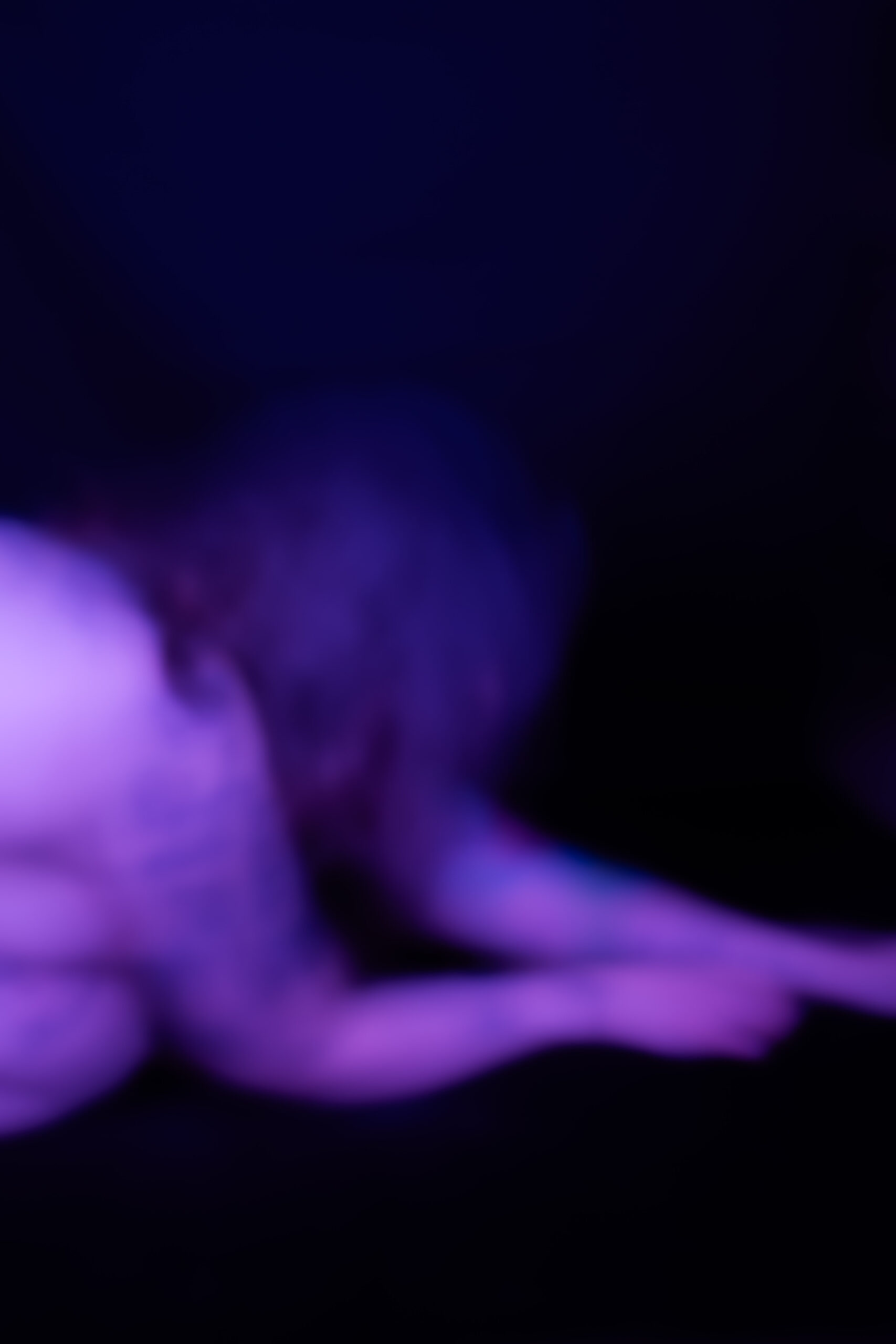
Chronic illness and mental health are far more closely linked than casual conversation tends to acknowledge. Research into endometriosis specifically has found that more than two-thirds of those living with the condition report significant psychological stress, and the relationship between the chronic pain of endometriosis and conditions like anxiety and depression is now well established in clinical literature, with experts increasingly recommending that mental health support be built into treatment plans from the start rather than added only once a crisis has already occurred. Anna-Marie’s choice to hold both halves of purple, the darkness and the comfort, in the same colour and the same breath, reflects a psychologically honest reality: chronic illness rarely produces only despair or only resilience. For many people it produces both, often within the same day, and sometimes the same hour. Naming that duality so plainly, rather than presenting only the hopeful half of the story, is part of what makes Anna-Marie’s account so useful to anyone earlier in their own diagnosis.
Yearning for Help, and the Light That Answered
Anna-Marie described her images in two distinct emotional registers, pain and hope, and was precise about what each one represented.
“The first of the images, for me, personify the impact of physical pain, mental fatigue and yearning for help from health services. The light signifies the hope I have carried with me from the support I have had from loved ones.
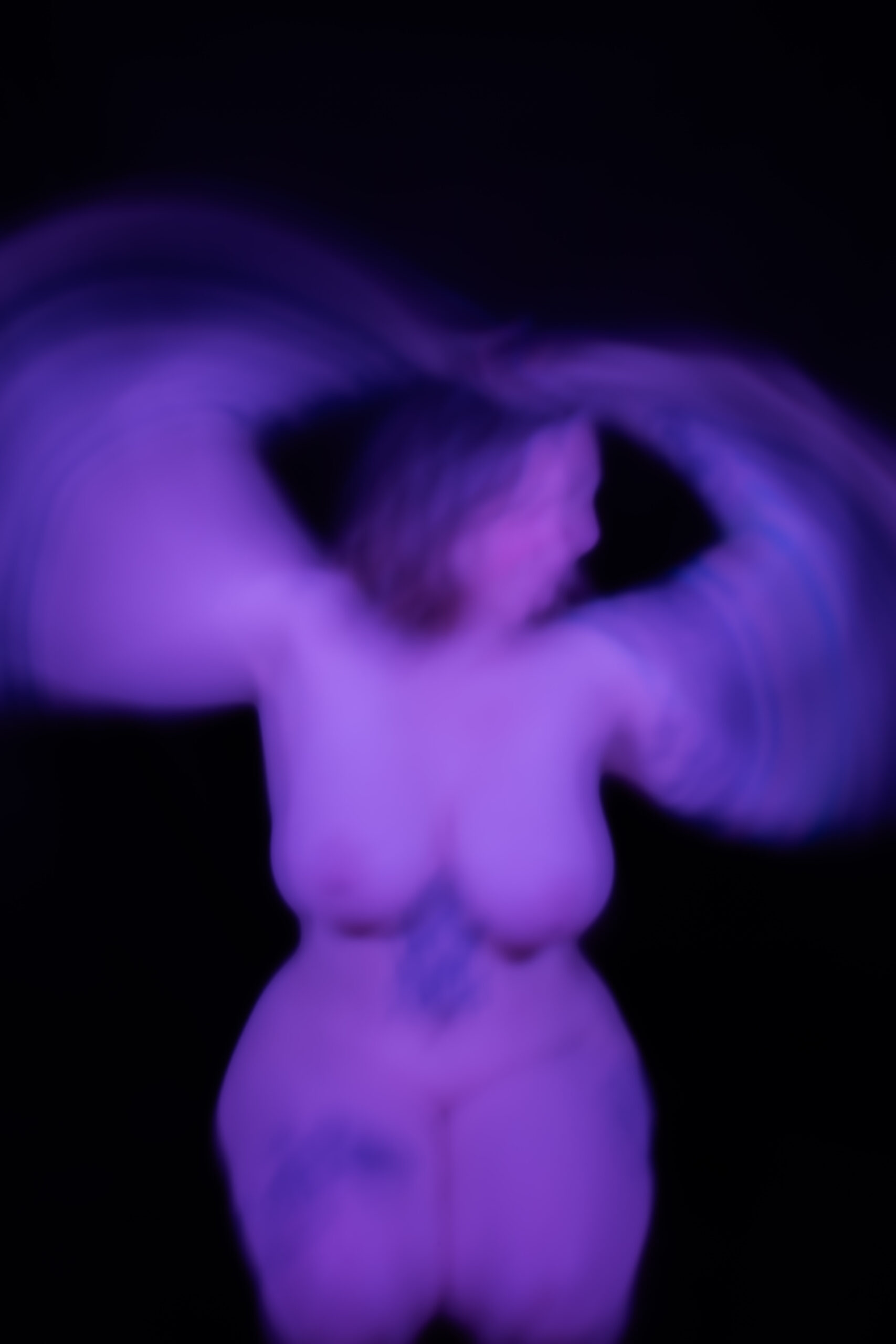
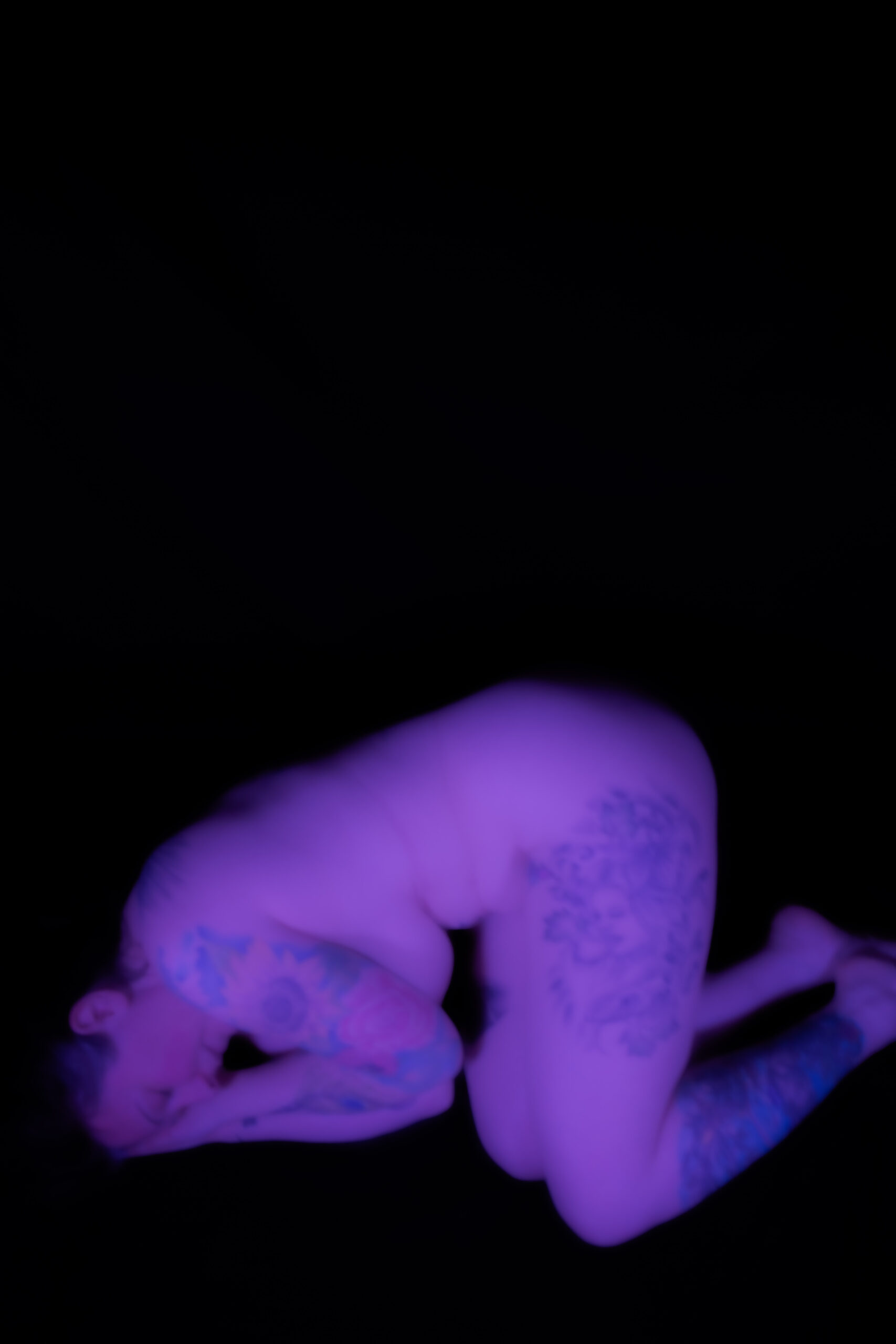
That distinction, between yearning for help from health services and receiving support from loved ones, is a meaningful one. Clinical research on endometriosis and mental health has found that when healthcare providers acknowledge and validate a patient’s pain, self-esteem and outcomes measurably improve, and that the opposite is also true: dismissive medical encounters carry a real psychological cost. Anna-Marie’s “yearning for help from health services” describes a gap many young women with endometriosis know intimately, the space between symptoms severe enough to need real medical attention and a system that does not always move quickly enough to provide it. That the light in her images comes instead from loved ones is not a criticism of medicine so much as an honest account of where support actually arrived when it was needed most.
Respectful and Beautiful
Anna-Marie’s account of working with Phoebe Wingrove was, in her own words, joyful, a notable contrast to the vulnerability of the images themselves.
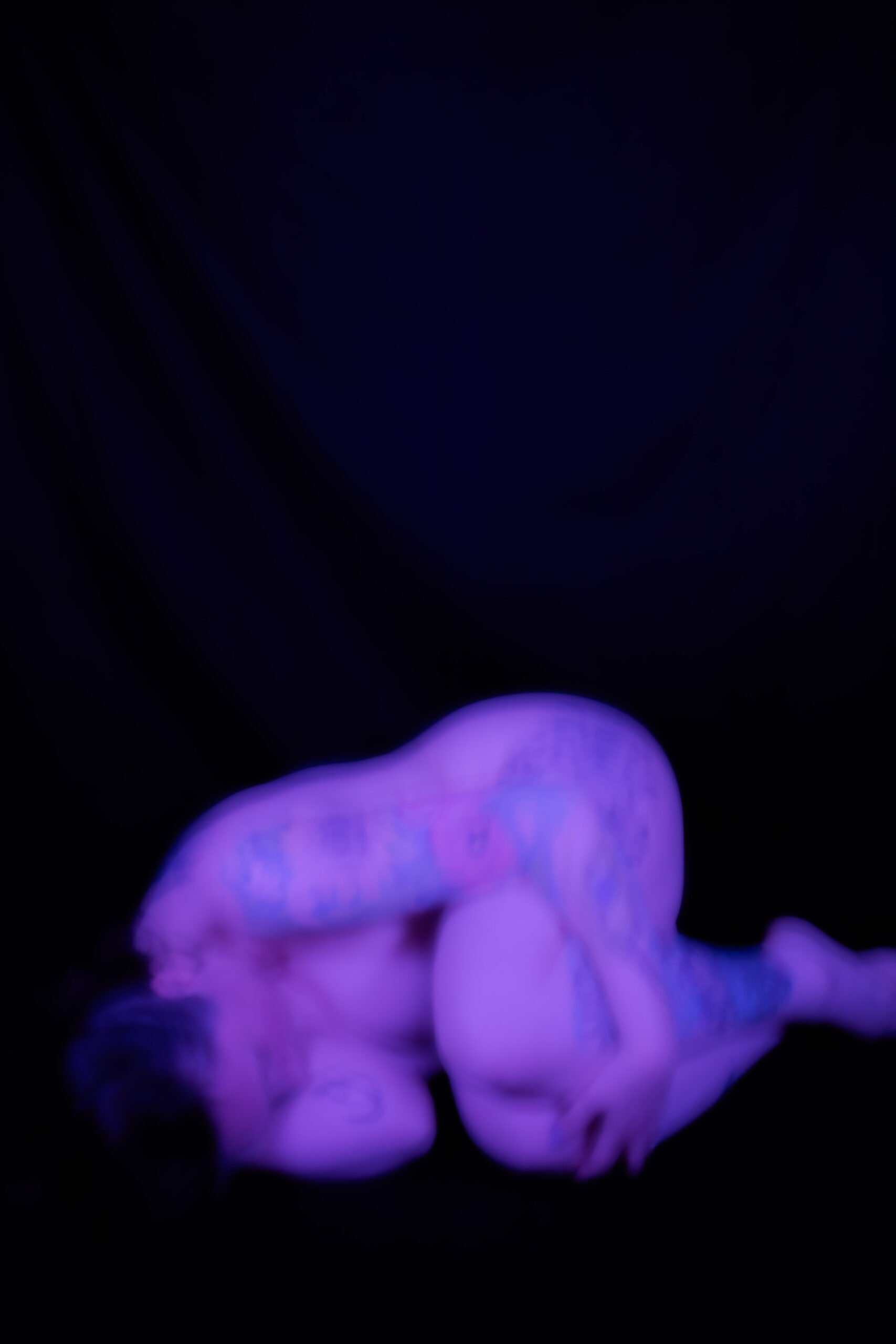
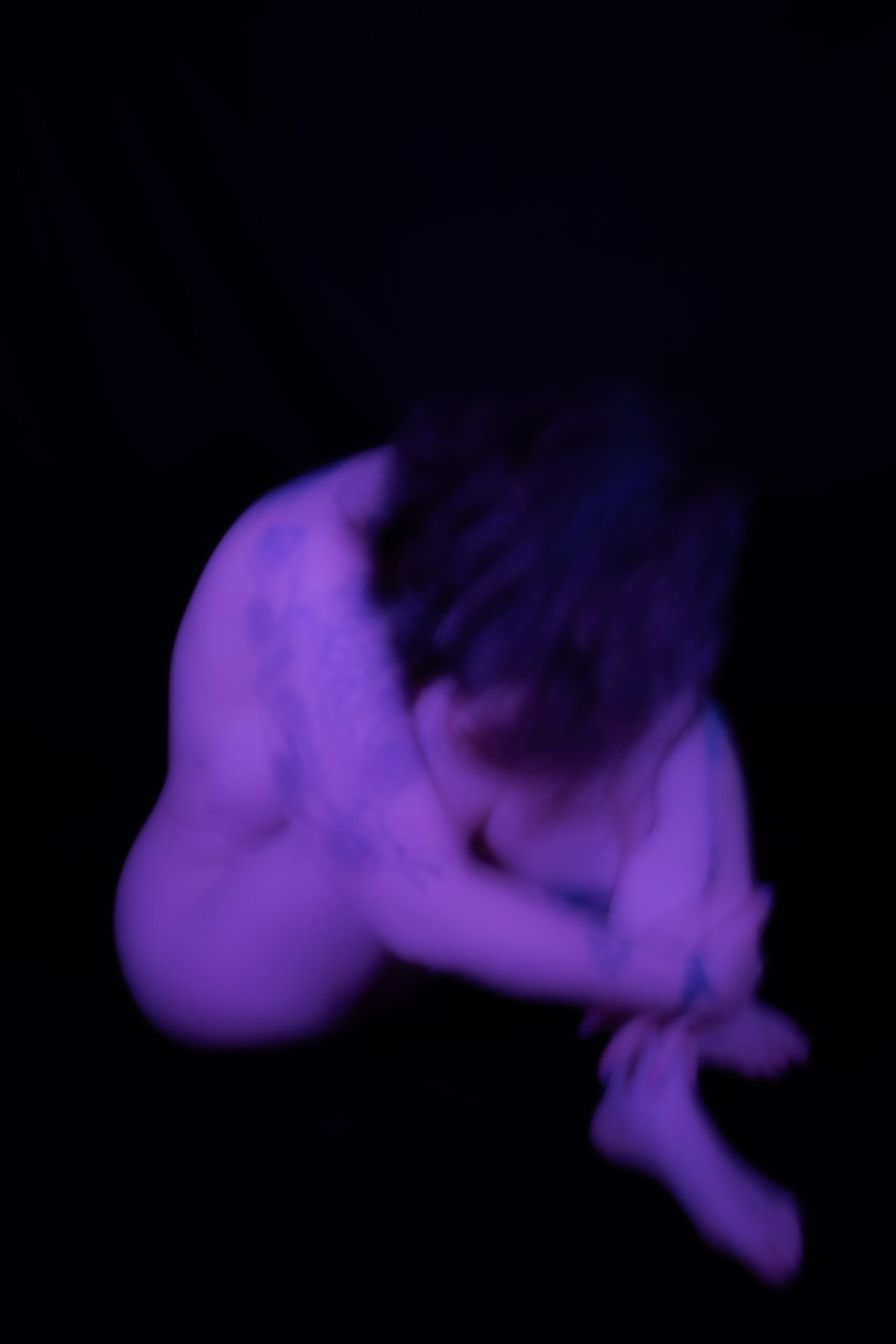
Working with Phoebe was a real joy! I felt very comfortable and confident throughout the shoot, as well as assured the final shared images would be both respectful and beautiful. I am thankful to Phoebe and Endometriosis South Coast for this genuine and meaningful experience.
That combination, comfort and confidence during the creation of deeply personal, body-focused portraits, does not happen by accident. It reflects a deliberate approach from Phoebe Wingrove throughout this whole collaborative art project: letting each participant lead, choose their own colour, and shape how their own story would be told, rather than imposing a single visual language onto four very different experiences of the same condition. For Anna-Marie, that collaborative trust is part of what made a difficult subject feel, in her words, genuinely meaningful rather than exploitative or exposing, and it is a distinction worth naming, because so much existing imagery of women’s chronic illness leans on clinical detachment or, at the other extreme, gratuitous shock. Anna-Marie’s portraits sit deliberately between the two: honest about pain, but composed with the same care and beauty any portrait sitter would expect.
Why This Project Matters
Anna-Marie’s stated hope that her story might support other young women earlier in their own journey with endometriosis is the fitting note to close this series on. Awareness campaigns aimed at adults often arrive too late for the teenagers and young women currently dismissing their own symptoms as normal, simply because no one has told them otherwise. Endometriosis South Coast commissioned this project with Phoebe Wingrove precisely to reach that younger audience, using colour, art, and honest first-person testimony in a way that a clinical leaflet never could. Christie, Sandy, Rowan, and now Anna-Marie have each offered a different colour and a different chapter of the same underlying story, and together they form something closer to the fuller, more complicated truth of living with endometriosis than any single account could provide alone.
If You Are a Young Woman Reading This
If you are younger and recognise any part of Anna-Marie’s experience, particularly symptoms dismissed as normal or a sense that something is wrong that no one around you takes seriously, please trust that instinct. Persistent period pain that stops you attending school or college, pain that does not improve with over-the-counter medication, or bleeding that disrupts daily life are all valid reasons to ask a GP directly about endometriosis, even, and especially, if you are told you are too young for it to be the cause. Bring a parent, guardian, or trusted adult to appointments if that helps you be heard, keep a simple diary of symptoms, and know that Endometriosis South Coast’s peer support is open to young women navigating exactly this stage of the journey, not only those with a confirmed diagnosis already in hand. And whatever form your own comfort takes, whether that is faith, as it has been for Anna-Marie, or friends, family, or simply time outdoors, it is worth actively protecting alongside any medical treatment, not treating it as an afterthought to it.
Thank you, Anna-Marie, for closing this series with so much warmth and so much purpose, and thank you to Phoebe Wingrove for four collaborations that treated every colour, every story, and every participant with equal care. This brings Christie’s, Sandy’s, Rowan’s, and Anna-Marie’s stories full circle across two months of carousels and four very different, equally honest blog posts. If any part of this series has stayed with you, share it with someone who needs to read it, and know that the comfort Anna-Marie found in spirituality and loved ones is available in community too. You do not have to wait until you are older, or more certain, or in more pain, to ask for help.
Words: Anna-Marie · Photography: Phoebe Wingrove